
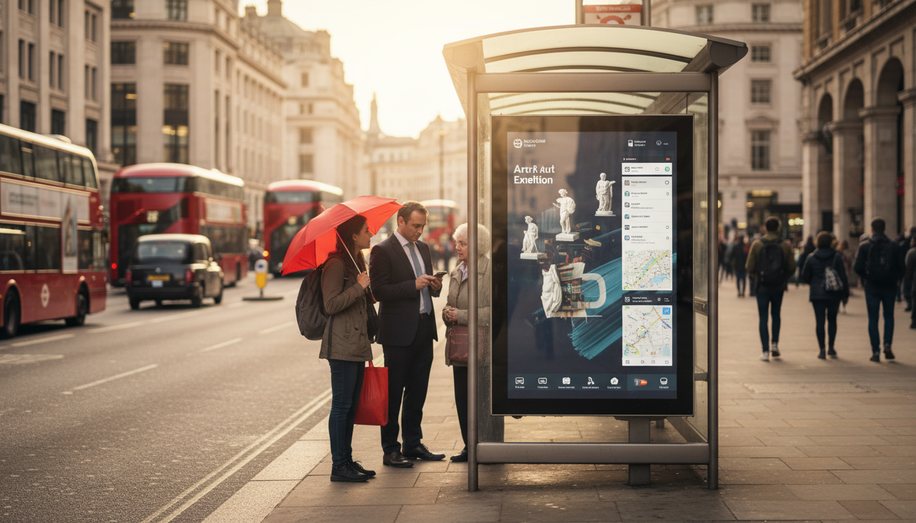

In the bustling heart of modern cities, where pedestrians pause and commuters linger, street furniture—benches, bus shelters, kiosks, and bike racks—has emerged as a canvas for advertiser ingenuity, transforming mundane urban fixtures into immersive brand experiences. No longer mere placeholders for static posters, these elements now blend functionality with creativity, capturing attention at eye level during natural breaks in daily routines. As urban spaces evolve, advertisers are reimagining street furniture to foster deeper connections, leveraging technology and context to make campaigns feel less like interruptions and more like seamless parts of city life.
Consider KitKat’s iconic bench campaign, where ordinary park seats were reshaped into giant chocolate bars, complete with the embossed slogan “Have a break, have a KitKat.” This simple yet brilliant integration not only reinforced the brand’s message of respite but also invited passersby to interact physically with the ad, turning a moment of rest into a memorable encounter. Such creativity exploits street furniture’s inherent advantages: its placement in high-traffic areas ensures continuous visibility to diverse audiences, from shoppers to transit users, while its low height encourages prolonged engagement compared to towering billboards. Brands like local coffee shops have followed suit, sponsoring benches with steaming cup motifs that evoke warmth and invitation, subtly driving foot traffic to nearby outlets.
Bus shelters, perhaps the most ubiquitous form of street furniture advertising, offer advertisers a captive audience with extended dwell times, perfect for multi-sensory activations. Skrewball Peanut Butter Whiskey took this to extremes with a 10-foot fiberglass bottle installation that appeared to pour into glowing shot glasses, complete with programmable lights mimicking liquid flow and custom scent diffusers releasing the whiskey’s distinctive peanut butter aroma. This immersive setup didn’t just advertise; it enveloped waiting commuters in the brand’s world, blending sight, smell, and surprise to amplify recall. Similarly, Chanel’s #TakeYourChance campaign elevated shelters with dual interactive screens—one for commercials, the other for creating personalized GIFs—paired with perfume sample dispensers that rewarded participation. These examples demonstrate how street furniture can collect engagement data through embedded tech, providing advertisers with analytics on interactions while delivering tangible brand experiences.
Technology has accelerated this reimagination, turning passive fixtures into responsive touchpoints. Motion sensors trigger animations on digital panels, QR codes unlock augmented reality content, and NFC-enabled benches connect to mobile apps for exclusive offers. Bike racks and phone charging stations, symbols of urban sustainability, now double as branded amenities; companies sponsor them with subtle messaging that aligns convenience with their identity, such as eco-friendly logos on racks near bike-share hubs. In one innovative twist, heated benches in winter or cooling stations in summer transform shelters into functional lifelines, fostering goodwill while embedding brand visibility. For local businesses, this hyperlocal targeting shines: ads placed near stores with messages like “Just two blocks away!” capitalize on proximity, turning neighborhood pauses into immediate calls to action.
This shift reflects broader trends in out-of-home (OOH) advertising, where street furniture’s cost-effectiveness and flexibility outpace pricier formats like billboards. Unlike digital scrolls that vanish instantly, these installations offer persistent exposure, encouraging social sharing as pedestrians snap photos of interactive elements. Cities themselves are complicit, partnering with brands to enhance public spaces—think sponsored kiosks with wayfinding that double as ad panels—creating win-win scenarios for functionality and revenue. Pioneers like JCDecaux laid the groundwork decades ago by inventing street furniture as a distinct OOH category, moving beyond billboards to street-level intimacy.
Yet, the true power lies in contextual relevance. Street furniture thrives in urban rhythm, allowing ads to mirror surroundings: a whiskey pour at a rainy bus stop or a cozy bench in a chilly park feels organic, not intrusive. For global brands, it localizes messaging; for small enterprises, it levels the playing field with affordable, high-impact creativity. As sustainability and tech converge, expect more: solar-powered digital benches, AR-enhanced kiosks, or even AI-driven displays that adapt to weather or crowds.
Advertisers who master this integration don’t just sell products—they reshape how people perceive and navigate their cities. In an era of ad fatigue, street furniture’s tactile, participatory nature cuts through, proving that the bench you sit on or shelter you huddle under can be the most persuasive pitch of all. With urban populations swelling and commutes lengthening, these reimagined fixtures stand ready to redefine OOH creativity, one pause at a time.