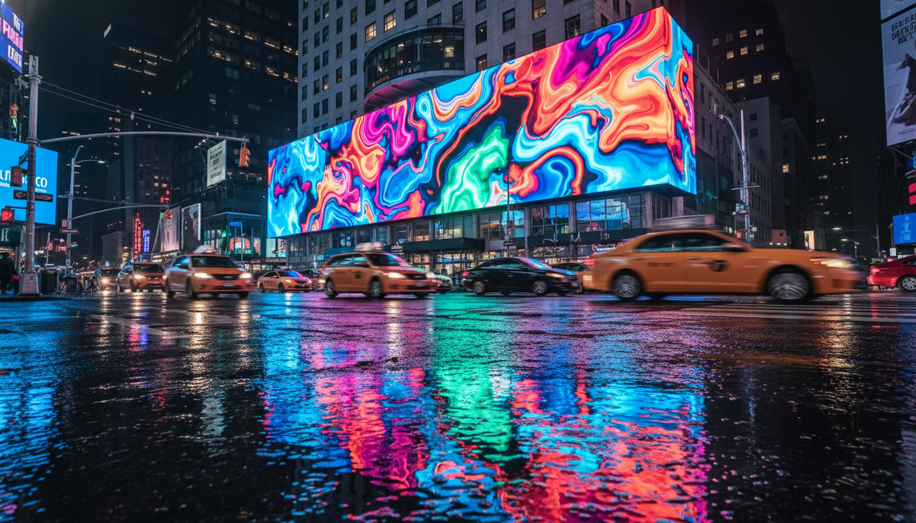

In the bustling streets of global cities, where billboards tower over hurried crowds and murals transform blank walls into vibrant narratives, the line between art and advertising has blurred into a powerful synergy. Out-of-home (OOH) campaigns increasingly rely on collaborations between brands and artists to craft visually arresting experiences that demand attention and linger in the public psyche. These partnerships leverage the raw energy of street art, graffiti, and contemporary visuals to elevate commercial messages, turning transient ads into cultural touchstones.
Consider the timeless appeal of street art’s rebellious spirit meeting corporate polish. Brands have long recognized urban artists’ ability to inject modernity and exclusivity into their imagery. Louis Vuitton, for instance, enlisted graffiti pioneer JonOne in 2016 to redesign packaging for Guerlain fragrances, infusing luxury bottles with explosive, colorful tags that echoed the artist’s signature style. This collaboration extended to Hennessy, where JonOne joined forces with Kaws, Shepard Fairey, and Vhils to reinterpret cognac bottles, transforming everyday products into collectible art pieces. Such tie-ups not only modernize a brand’s aesthetic but also tap into a demographic of affluent thirty-somethings who grew up with urban culture, eagerly snapping up limited-edition items like Nike’s 2024 SB Dunk Low with Futura 2000, which resold for triple its original price.
OOH advertising amplifies this alchemy by scaling artist visions to monumental proportions. Netflix’s promotion for the second season of *How to Sell Drugs Online (Fast)* featured a massive double-sided mural outside Berlin’s Bikini Berlin, painted by calligrafuturist Peter Balko using 500 liters of paint over two days. The intricate piece, blending futuristic lettering with the show’s edgy vibe, turned a high-traffic shopping hub into an immersive invitation, proving how street art can hijack public spaces for narrative-driven promotion. Similarly, Fendi invited six international street artists to interpret the word “future” on its Rome rooftop, with works by artists like Jerome Lampas translated into T-shirts sold online. These OOH spectacles doubled as live performances, fostering buzz and aligning the brand with youthful creativity.
Environmental and social messaging finds fertile ground in these artist-brand unions. Corona’s 2018 DOOH campaign in the UK collaborated with artist Andy Billet to sculpt a three-dimensional “wave” from collected plastic waste, paired with an image of surfer Chris Hemsworth. The billboard starkly illustrated ocean pollution, urging recycling while rolling out to cities like Melbourne and Bogotá. In another sun-dependent stunt, Corona painted a house wall in Brighton to reveal a full beer bottle label only during golden hour, touting “made by nature” ingredients—a clever fusion of natural light, street art illusion, and product storytelling. Piz Buin’s sunscreen ad used UV-reactive ink to simulate sunburn on a digital billboard as the sun set, merging science, art, and real-time environmental cues for visceral impact.
Luxury houses push boundaries further with immersive OOH installations. Gucci partnered with nonprofit Artolution to replicate community murals in Milan, New York, Hong Kong, and Shanghai as part of its Chime for Change equality campaign, channeling street art’s political edge into global advocacy. The murals, drawn from refugee and vulnerable groups’ works, positioned the brand as a cultural force multiplier. HOKA’s 2025 Manhattan takeover for the Mafate X trail shoe transformed a city block into a Joshua Tree-inspired desert complete with flora, wind machines, and a central treadmill. By day an experiential landscape, by night a 3D billboard with dynamic runner footage, it epitomized OOH’s evolution into participatory art.
Even self-aware campaigns nod to the format’s tropes. Oatly disguised its building-sized ads as hand-painted murals, cheekily declaring, “We made this ad look like street art so you would like it better”—a meta-commentary that underscored street art’s marketing potency while delighting passersby. Merrell’s regional OOH push, crafted by artists Yenssy Gonzalez and Scott Partridge, embedded hyper-local panoramas and “Easter eggs” into billboards, blending shoe branding with city-specific adventures to inspire post-pandemic exploration.
These collaborations thrive on mutual benefit: artists gain visibility and commissions, from live mural unveilings in brand stores to merchandise lines, while brands secure a fresh, authentic image that resonates in public spaces. Specialized agencies now facilitate commissioned murals echoing commercial launches, turning cities into free galleries that boost awareness and foot traffic. As BuildHollywood’s street specialists demonstrate, rooting OOH in art-school creativity yields ads that feel less like interruptions and more like urban enhancements.
Yet the magic lies in authenticity. When Rita Ora teamed with Thomas Sabo for Fashion Week murals or Dove partnered with Nina Valkhoff against animal testing, the results were campaigns that sparked conversation beyond sales. In DOOH’s digital realm, real-time data and interactivity—think UV triggers or solar reveals—amplify this, but the core remains human: the artist’s hand guiding the brand’s voice.
Ultimately, these intersections redefine OOH as a canvas where commerce meets culture. By commissioning street artists for billboards, pop-up installations, and guerrilla murals, brands not only capture eyes but cultivate loyalty among audiences craving originality. In an era of ad fatigue, this artist-driven approach proves that the most striking campaigns are those that feel alive, rebellious, and unapologetically artistic.