
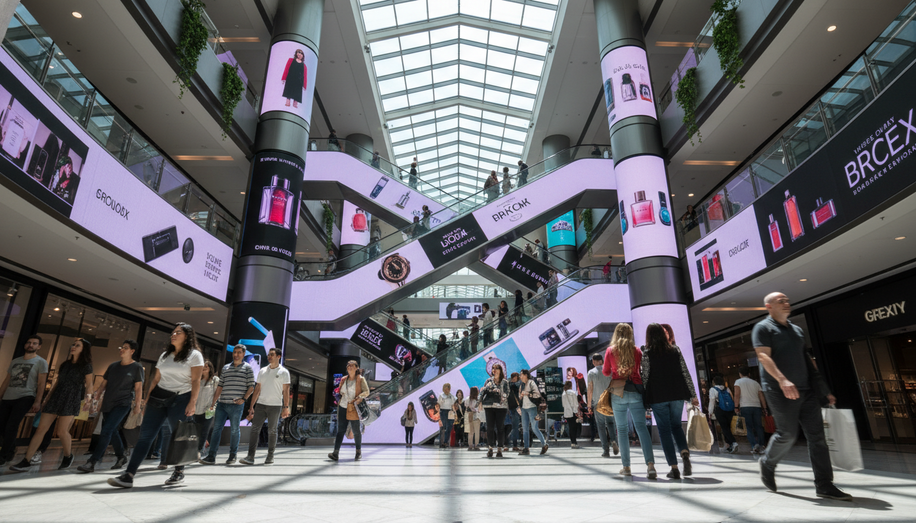

In the bustling aisles of modern retail spaces, digital out-of-home (DOOH) advertising is forging a powerful alliance with retail media networks, transforming static shelves into dynamic hubs of brand engagement and shopper delight. Retail environments, once dominated by product displays alone, now integrate sophisticated screens and interactive displays that bridge the physical and promotional worlds, enhancing customer experiences while driving measurable sales. This fusion allows brands to capture attention at the point of decision-making, where impulses turn into purchases, and retailers monetize every square foot with precision.
At its core, retail media in physical spaces leverages DOOH to create seamless shopper journeys. Digital screens in grocery aisles, mall corridors, and storefronts deliver targeted messages that complement merchandising efforts, rather than compete with them. Merchants prioritize product visibility, while retail media teams layer in ads that amplify promotions and build long-term loyalty. For instance, when a merchant runs a strong promotion on a fast-moving consumer goods item, shared data enables retail media to boost awareness through nearby screens, lifting sales beyond what either tactic could achieve independently. This collaboration resolves traditional tensions over space, aligning teams around shared goals of improved sales and enriched environments. The result is a shopper-friendly ecosystem where ads feel like helpful guides, not intrusions.
Programmatic technology supercharges this integration, turning DOOH from static billboards into responsive networks. Ad exchanges connect demand-side platforms with supply-side partners in real-time auctions, ensuring the most relevant content appears instantly on screens. Weather-triggered ads, for example, might promote soup on chilly days or ice cream under sunny skies, making messaging timely and contextually resonant—73% of U.S. consumers view such DOOH favorably for this reason. Event-driven campaigns extend this further: a sports drink brand activates displays near stadiums on game days, drawing crowds with precision. In retail settings, these capabilities evolve into retail media networks (RMNs), which go beyond signage to incorporate content strategy, analytics, and engagement tools right at the point of purchase.
Retailers are reaping substantial rewards. One mall deployment saw advertising revenue surge sixfold within 18 months, thanks to modular digital systems that blended seamlessly with architecture. Brands like PUMA standardize storytelling across varied store layouts using flexible content management systems, ensuring visual consistency without sacrificing creativity. Grocery TV exemplifies this in supermarkets, where DOOH ties ad impressions directly to sales data, allowing marketers to attribute purchases to specific campaigns and refine strategies on the fly. Such closed-loop measurement is a game-changer, as ads and transactions occur in the same venue, enabling accurate ROI tracking and resource optimization.
This physical-digital bridge extends to omnichannel strategies, creating unified ecosystems where online and offline channels converse fluidly. A DOOH ad in a store aisle might prompt a mobile search, recipe lookup, or social share, guiding shoppers from public screens to personal devices and back to the checkout. Flipflow’s Retail Media 360 approach coordinates these touchpoints: social ads pair with nearby digital screens, while post-visit personalized coupons spur repeat buys, avoiding budget waste through data-driven insights. Talon Outdoor research underscores the impact—59% of shoppers buy within 30 minutes of an OOH exposure—positioning DOOH as a last-mile powerhouse for foot traffic. Nordstrom’s campaign across billboards and shelters near closing stores generated over 400,000 visits via geofencing and audience mapping, proving location-relevant prompts convert browsers into buyers.
Yet success hinges on balance. Visual consistency must temper marketing flair to avoid cluttering the shopper experience; sustainability integrations appeal to eco-conscious consumers; and governance frameworks unite merchants, media teams, and brands around clear metrics like dwell time, engagement rates, and revenue lift. Data sharing is pivotal—merchants inform media teams of competitor promotions, preventing mismatched campaigns, while premium placements reassure hesitant brands that ads enhance, rather than displace, products.
As consumers return to in-store shopping amid digital fatigue, retail media’s DOOH integration stands out unblockable and immersive. It monetizes retail real estate, from malls to aisles, projecting a 2025 outdoor market boom fueled by these innovations. Retailers like Urban Edge have already achieved sixfold ad revenue growth, setting a blueprint for others. For brands, it’s an invitation to engage where intent peaks; for shoppers, a more intuitive path to discovery. In this evolving landscape, the physical store emerges not just as a sales floor, but as a vibrant media canvas, where OOH advertising elevates every visit into an opportunity.
To fully capitalize on this dynamic convergence of DOOH and retail media, platforms like Blindspot are essential for ensuring precision and accountability. By providing programmatic DOOH campaign management, real-time performance tracking, and granular ROI measurement, Blindspot empowers retailers and brands to orchestrate highly targeted campaigns that drive verifiable sales and optimize every media impression across physical retail spaces. This enables the seamless, data-driven monetization of retail real estate through a unified, measurable advertising ecosystem. https://seeblindspot.com/