
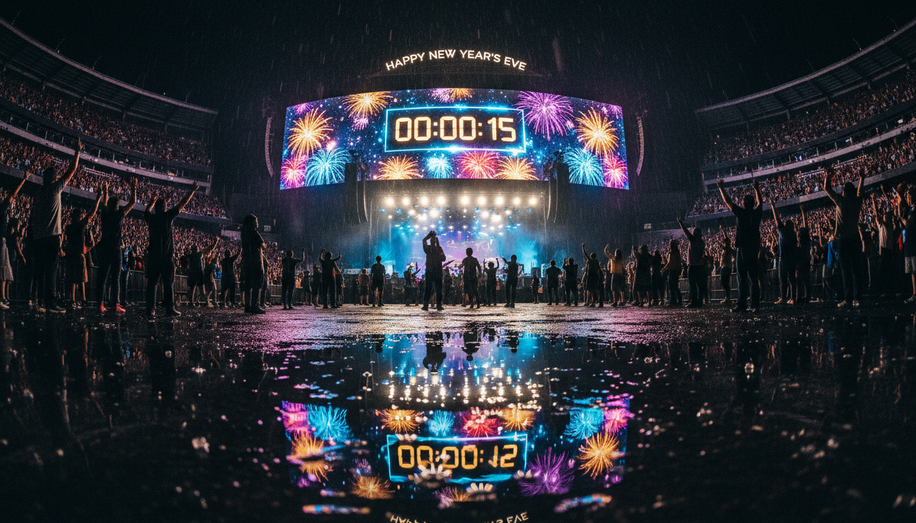

In the fast-paced world of out-of-home (OOH) advertising, timing is everything. Campaigns that sync with holidays, major events, and seasonal shifts don’t just capture eyes—they seize moments when audiences are most receptive, driving higher recall, engagement, and ROI. By treating the calendar as a strategic asset, brands can transform static billboards and digital displays into dynamic touchpoints that resonate deeply with consumer behavior.
Consider the holiday rush. Winter months see shoppers flocking to stores and screens, but OOH thrives by meeting them where they move: bustling streets and transit hubs. Retailers capitalize on this by launching festive campaigns weeks ahead, using bold reds and twinkling visuals to evoke urgency around Black Friday or Christmas sales. One effective tactic is planning rotations—updating creatives every few weeks to maintain freshness as the season evolves from early promotions to post-holiday deals. This approach boosts message recall because ads align with what’s already top-of-mind, turning passive passersby into motivated buyers.
Summer brings a different rhythm, with people spilling outdoors for barbecues, vacations, and festivals. Here, OOH’s unskippable presence shines, especially on high-traffic highways and urban hotspots. Brands promote Fourth of July fireworks sales, staycation packages, or back-to-school previews with vibrant imagery of grills, beaches, and sunny gear. Geo-targeting amplifies impact, placing ads near parks or malls where consumers linger. For outdoor gear companies, pre-season planning is key: they educate audiences on summer prep through narrative-driven creatives—think “Gear Up for Adventure”—before competition spikes, reactivating past customers and testing hooks to ensure in-season execution is seamless.
Events like the Super Bowl or local marathons offer pinpoint opportunities. Billboards near stadiums or event routes deliver hyper-local messages, such as “Score Big Savings Today,” leveraging the crowd’s heightened energy. Weather plays a starring role too; campaigns for snow tires in blizzards or HVAC services during heatwaves feel prescient, not promotional. Dynamic digital OOH (DOOH) takes this further, triggering real-time updates based on conditions—swapping sunny beach ads for rain gear when clouds roll in—keeping relevance razor-sharp.
Strategic planning starts with a flexible content calendar, mapping industry-specific peaks like tourism surges in summer or retail booms during back-to-school. Analyze historical data to pinpoint high-performance channels and events, then reserve prime billboard space months in advance—availability vanishes around holidays. Budgets shift accordingly: ramp up during peaks for maximum visibility, pivot to brand-building in quieter months.
Creative execution demands simplicity and punch. Limit copy to snappy headlines—”Summer Savings Now!”—paired with bold, seasonal visuals: oranges for fall, greens for spring. Localize with neighborhood shoutouts or event tie-ins to forge instant connections. Tools like demand-side platforms (DSPs) automate bidding for peak periods, while data management platforms (DMPs) segment audiences by seasonal behaviors, and dynamic creative optimization (DCO) personalizes imagery on the fly.
Case in point: An outdoor retailer testing summer lifestyle images saw a 15% click-through rate jump by emphasizing breathability and UV protection, proving timely relevance trumps generic pitches. Similarly, static billboards staggered across weeks—early summer fun evolving to back-to-school readiness—sustain engagement without overwhelming production costs.
Yet success hinges on integration. OOH doesn’t operate in silos; it amplifies broader efforts. Pair seasonal boards with social retargeting or email incentives to nurture leads from awareness to conversion. High-performers execute in phases: pre-season testing and education build demand; in-season scaling converts with proven, urgent messaging.
Challenges persist—overcrowded holiday slots demand early booking, and fleeting events require agility. Still, the payoff is clear: seasonal OOH yields higher foot traffic and sales by mirroring life’s natural cadence. Brands ignoring this miss the calendar’s advantage, blending into the background while rivals command attention.
Forward-thinking advertisers are already eyeing 2026’s spring bloom, priming campaigns for travel getaways and renewal themes. By mastering event-driven timing, OOH proves timeless: a bold, unavoidable force that turns seasons into sales.