
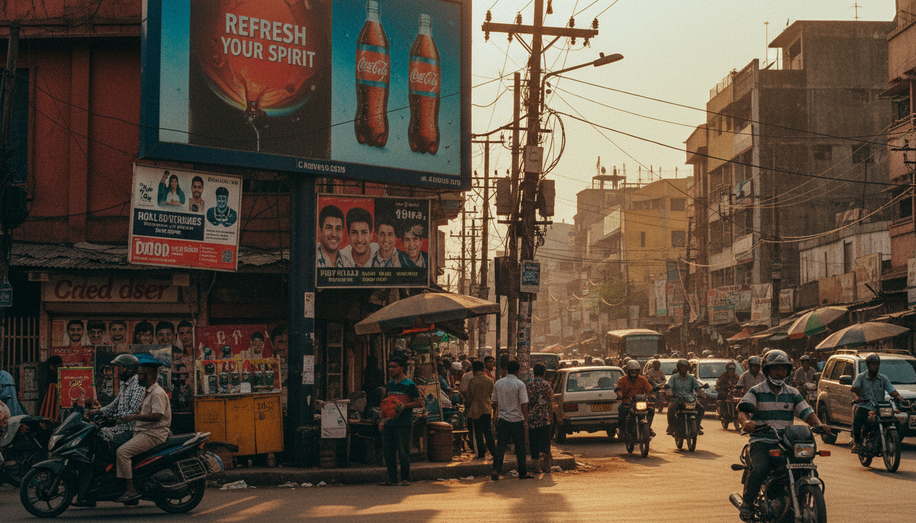

In the bustling streets of Mumbai or the sprawling avenues of Lagos, out-of-home (OOH) advertising transforms urban landscapes into vibrant canvases for brands, yet navigating emerging markets demands a keen understanding of local realities. These regions, from India’s megacities to Africa’s rising hubs, offer explosive growth potential driven by rapid urbanization and rising disposable incomes, with markets like India and China projected to lead surges in outdoor ad spending. However, infrastructure gaps, labyrinthine regulations, and deep cultural nuances turn every campaign into a high-stakes adventure.
Urbanization fuels this expansion, as populations flock to cities, heightening demand for visible ad spaces amid swelling foot traffic and consumer spending. Asia-Pacific stands out, poised for the highest compound annual growth rate in outdoor advertising through 2034, propelled by transit ads on public vehicles and location-based targeting. In these dynamic environments, innovative formats like skywalk advertising—leveraging overhead pedestrian walkways in commercial districts—emerge as game-changers. Skywalks, often newly built amid infrastructure booms, provide high-visibility platforms for immersive campaigns, proving cost-effective for budget-conscious small and medium enterprises while engaging captive audiences in dense urban cores.
Yet, challenges abound, starting with patchy infrastructure that tests OOH’s resilience. In many developing countries, unreliable power grids hinder digital out-of-home (DOOH) deployments, where screens demand constant electricity for dynamic content and real-time updates. Weather vulnerabilities exacerbate this: monsoons in Southeast Asia or dust storms in the Middle East accelerate wear on billboards, inflating repair costs and disrupting timelines, often pushing advertisers toward more sheltered digital or indoor alternatives. Vandalism adds another layer, particularly in high-traffic yet unsecured areas, deterring smaller players without robust maintenance budgets.
Regulatory environments compound these hurdles, varying wildly across borders and even cities. Diverse rules on billboard sizes, placements, and digital illumination create obstacles for DOOH, requiring advertisers to secure permits through bureaucratic mazes that can delay launches for months. In India, for instance, local bans on certain illuminated signs clash with national growth ambitions, while Nigeria’s fragmented policies demand on-the-ground navigation to avoid fines. Environmental concerns further tighten scrutiny, with sustainability mandates questioning billboard aesthetics and energy use, prompting a shift toward eco-friendly materials and designs.
Cultural nuances demand equal finesse, as what resonates in one market may flop in another. In conservative Middle Eastern nations, imagery must align with modesty norms, while vibrant, community-oriented visuals thrive in Latin American streets. Language diversity—over 1,500 in India alone—necessitates localized messaging, and timing matters: campaigns tied to festivals like Diwali or Ramadan amplify impact but require cultural immersion. Missteps here risk backlash, underscoring the need for agencies versed in ethnographic insights.
Opportunities, however, shine brightly for those who adapt. Digital OOH surges ahead, outpacing traditional billboards with targeting, interactivity, and measurability—think QR codes linking to mobile experiences or AR overlays via geotargeting. Programmatic buying streamlines this, enabling real-time optimizations akin to online ads, while integrations with social media bridge offline exposure to digital engagement. Skywalks exemplify innovation, offering blank canvases for large-scale graphics in saturated markets, where prime spots command premiums but yield outsized visibility. In Brazil’s favelas or Indonesia’s transit hubs, hybrid traditional-digital setups capitalize on mobile proliferation among youth, blending static reach with app-driven interactions.
Major players like JCDecaux and Clear Channel dominate traditionally, but digital pioneers such as Outfront Media seize emerging edges through tech investments. Success hinges on partnerships: local agencies decode regulations and cultures, while global brands bring scale. Economic resilience also plays in; even amid crises, OOH’s tangibility ensures, as seen in post-pandemic rebounds.
Ultimately, emerging markets’ OOH arena rewards agility. With the global outdoor sector eyeing $26 billion by 2034, brands that invest in resilient infrastructure, regulatory savvy, and culturally attuned creativity will not just navigate but redefine this global canvas. From skywalk spectacles in Bangkok to DOOH networks in Nairobi, the potential pulses with urban energy, inviting bold advertisers to paint their stories across tomorrow’s skylines.
For brands aiming to master these vibrant yet complex landscapes, platforms like Blindspot offer the essential intelligence to cut through the noise. By leveraging unparalleled location intelligence, programmatic DOOH campaign management, and granular audience analytics, Blindspot empowers advertisers to confidently navigate regulatory mazes, optimize site selection for resilience and visibility, and craft culturally resonant messages that truly connect in dynamic emerging markets, transforming intricate challenges into measurable success: https://seeblindspot.com/