
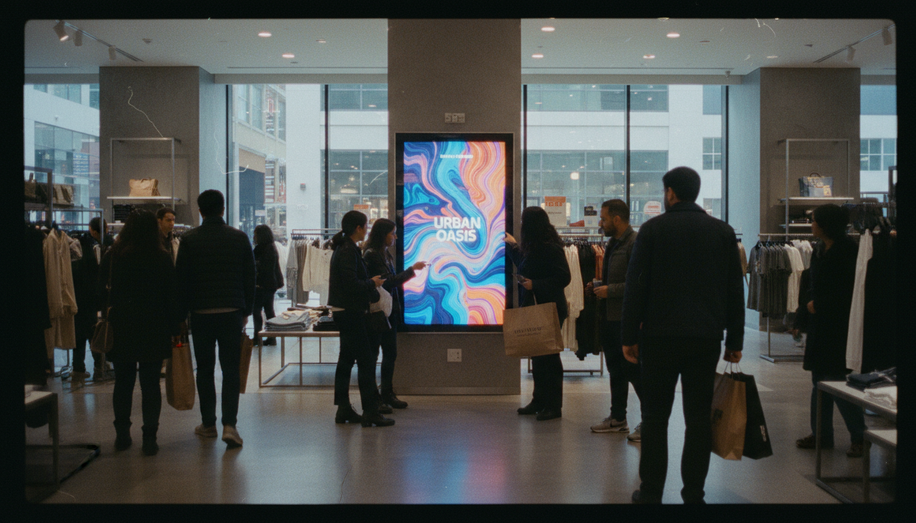

In the bustling aisles of modern supermarkets and shopping centers, physical out-of-home screens are transforming stores into dynamic theaters of commerce, where every glance at a digital display can nudge a shopper toward an impulse buy. These in-store OOH installations, increasingly woven into retail media networks, are no longer mere billboards but precision tools in omnichannel strategies, capturing high-intent consumers at the precise moment of decision. As retail environments evolve from static retail spaces into interactive media hubs, brands are leveraging these screens to bridge the gap between online awareness and in-store action, driving measurable point-of-purchase conversions.
Retail media, at its core, encompasses advertising channels controlled directly by retailers across digital platforms like e-commerce sites and apps, as well as physical in-store assets such as endcaps, point-of-sale activations, and shelf-mounted screens. This ecosystem reaches shoppers steeped in purchase-ready mindsets, amplifying its potency in omnichannel campaigns. Traditional OOH, with its broad awareness-building reach, complements this perfectly: while outdoor and transit ads prime audiences en route to the store, in-store digital out-of-home (DOOH) delivers tailored messaging right at the point of sale. The synergy creates a seamless funnel, turning passive exposure into active engagement. For instance, a campaign might start with programmatic DOOH on nearby billboards targeting commuters, then pivot to in-store screens flashing personalized promotions based on loyalty data, culminating in a scanned coupon at checkout.
By 2026, this integration is accelerating, with programmatic DOOH spending projected to surge into the billions, fueled by automated buying and audience-based activation. Retailers are reimagining stores as data-driven stages, where screens adapt in real time to shopper behavior, weather, or promotions. Screens positioned near high-traffic zones—like entrances, aisles, or checkout lines—use first-party data from loyalty programs to serve hyper-relevant content, such as “Buy one, get one free” alerts for items in a cart nearby. This proximity to purchase is gold: studies show integrated DOOH and mobile campaigns can boost store visitation by up to 127% when paired with retargeting, proving the channel’s role in converting foot traffic into sales. Retail media networks, now a projected $100 billion powerhouse accounting for 25% of digital media spend, amplify this by monetizing in-store screens alongside online inventory, creating new revenue streams for retailers while offering brands closed-loop measurement from ad view to transaction.
Yet, success hinges on collaboration between merchandising teams, who prioritize product visibility, and retail media specialists, who layer in advertising without disrupting the shopper experience. Tensions arise when space competes—merchants want shelf prominence, while media teams seek eye-level screens—but alignment around shared sales goals resolves this. Data sharing is key: if a promotion runs on a competitor’s product, retail media can adjust campaigns dynamically, layering awareness to boost the featured brand’s lift. Retailers like those partnering with networks such as oOh!media are already extending in-store screens to audience amplification tools, blending physical displays with off-site digital reach for unified storytelling.
Programmatic advancements are democratizing access, allowing buyers to plan OOH alongside CTV, mobile, and retail media in single platforms with real-time bidding, private marketplaces, and guaranteed inventory. This shift emphasizes audience-first planning over location alone, using signals like dwell time, purchase intent, and app usage to trigger contextually relevant creatives. In high-stakes retail corridors or entertainment districts, premium inventory is booked early to anchor tentpole campaigns, reinforcing digital narratives in the physical world to spike app downloads or in-store activity. The result? OOH evolves from impression-driven to outcome-focused, with metrics tying screen exposure directly to sales via retailer data.
Brands ignoring this trend risk ceding ground. Consider a CPG giant launching a new snack line: outdoor OOH builds buzz during commute hours, in-store screens near the chip aisle prompt trials with geo-fenced offers synced to mobile wallets, and post-purchase digital extensions via apps nurture loyalty. This omnichannel choreography not only lifts immediate sales but fosters repeat visits, turning one-off shoppers into brand advocates.
As retail media networks proliferate globally—highlighted by industry initiatives like DPAA’s Retail Media Month—in-store DOOH stands as the next frontier. Screens inside stores are proving indispensable, blending the tactile allure of physical retail with digital precision to command attention in an era of fleeting focus. For OOH buyers and retailers alike, the store is now the ultimate stage, where every pixel pulses with conversion potential, redefining engagement one shopper at a time.