
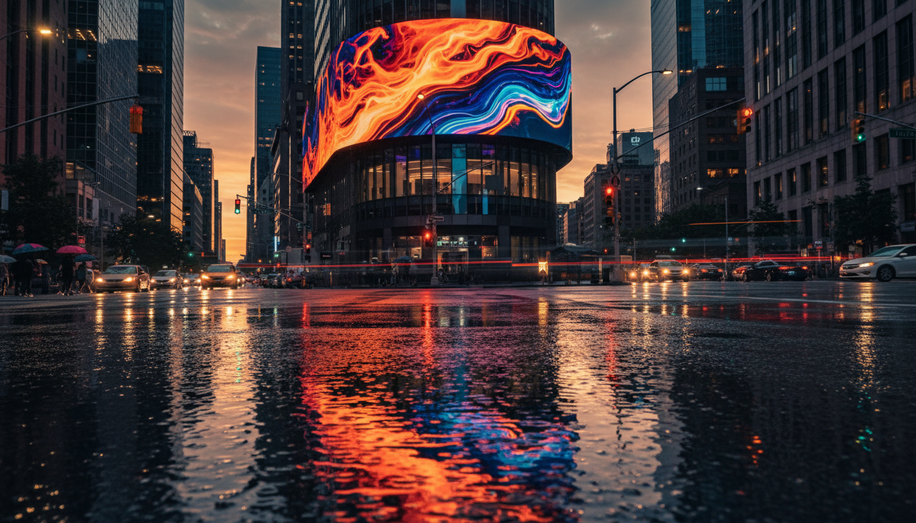

In the throbbing heart of New York City’s Times Square, colossal digital billboards pulse with color and motion, transforming a mere intersection into a global icon of energy and aspiration. These out-of-home (OOH) displays do more than hawk products; they weave themselves into the fabric of urban life, elevating mundane streetscapes into vibrant narratives that define a city’s soul. Far from static intrusions, OOH elements are evolving into dynamic contributors to public spaces, blending commerce with culture while sparking debates over aesthetics, identity, and intrusion.
Urban environments have long served as canvases for human expression, and OOH advertising has claimed a prominent brushstroke. Thoughtfully integrated displays—such as sleek LCD kiosks or large-format wraps—infuse cityscapes with vibrancy, complementing architectural heritage with modern flair. In bustling districts, these installations add liveliness to gray concrete jungles, harmonizing with landmarks to create a sense of place. Times Square’s glowing facades, for instance, are not afterthoughts but intrinsic to the neighborhood’s character, drawing millions who associate the site’s electric chaos with New York’s unyielding pulse. Similarly, creative storefront transformations turn vacant retail shells into immersive brand stories, revitalizing underused spaces and enhancing the pedestrian experience.
This integration extends beyond visuals to shape daily rhythms and perceptions. OOH reaches people where they commute, shop, and socialize, embedding brands into the collective urban conversation. A highway billboard or transit wrap becomes unavoidable, fostering familiarity that subtly sways decisions—whether prompting a store visit or sparking social media buzz. In smart city visions, these mediums evolve further: interactive screens deliver real-time traffic data, wayfinding, or environmental alerts, positioning OOH as civic infrastructure rather than mere commerce. During emergencies, they pivot to public service announcements, bolstering safety and connectivity in ways digital ads cannot match.
Yet this evolution is double-edged, as OOH’s boldness risks clashing with urban harmony. Critics decry it as visual pollution, an aggressive anthropization that distorts landscapes and erodes quality of life. Digital screens, with their flashing lights and relentless motion, dominate sightlines, particularly at vulnerable “urban edges”—those transitional zones between natural expanses and built cores, like city entrances marred by sprawling commercial strips. In Poland’s historic Gniezno old town, studies reveal how poorly placed ads degrade building perceptions, exacerbating spatial chaos in areas rich with heritage. Light pollution from backlit panels or projections intrudes on night skies, while oversaturation fosters mental fatigue, dulling consumer response when every surface screams for attention.
These tensions underscore OOH’s profound influence on cultural identity. When regulated thoughtfully, it amplifies narratives: promoting local events, businesses, and heritage to foster community pride and economic vitality through taxes and boosted foot traffic. But unchecked proliferation invites backlash, as seen in cities like São Paulo and Auckland, where ad overload prompted bans or redesigns to reclaim public accessibility. Neoliberal governance shifts have privatized street furniture—bus shelters, kiosks—turning public realms into revenue streams, often at the expense of diversity and openness. Regulators now grapple with balancing innovation, mandating controls on size, brightness, placement, and content to mitigate distractions, energy waste, and aesthetic harm.
Looking ahead, technology promises reconciliation. Personalized, data-driven displays could tailor messages to passersby, enhancing relevance without overwhelming. Building wraps and murals evolve into artful spectacles, dominating skylines while generating organic buzz. Hybrid models integrate OOH with digital ecosystems, tracking engagement to refine urban storytelling. Yet success hinges on collaboration: planners, advertisers, and communities must prioritize harmony, ensuring OOH enriches rather than encroaches.
Ultimately, OOH redefines the urban canvas not as a battleground of commerce versus calm, but as a shared stage for evolving identities. In high-stakes locales from Tokyo’s neon alleys to London’s transit hubs, it proves that when wielded with intention, advertising transcends salesmanship to sculpt perceptions, ignite dialogues, and etch indelible marks on the cities we inhabit. The challenge lies in navigating its power responsibly, lest the vibrancy that captivates becomes the clutter that repels.