

In the high-stakes world of out-of-home (OOH) advertising, site selection has long been dominated by a single metric: foot traffic. Countless campaigns hinge on traffic volume data, promising maximum impressions in bustling intersections or crowded malls. Yet this narrow focus misses the richer tapestry of human behavior and urban dynamics that truly amplifies impact. Forward-thinking advertisers are embracing a multifaceted approach, weaving in environmental psychology, urban planning principles, and cultural context to elevate OOH from mere visibility to resonant storytelling.
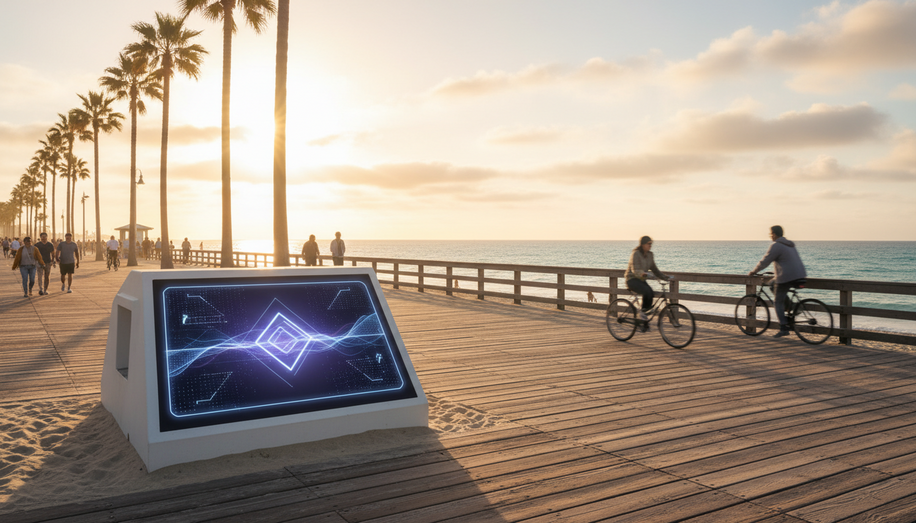
Consider environmental psychology, the study of how physical surroundings shape emotions and decisions. A billboard towering over a chaotic highway might rack up vehicle counts, but at 65 mph, drivers process it as a fleeting blur, their stress levels too high for retention. Contrast that with a site in a pedestrian-friendly plaza, where natural light, greenery, and seating encourage lingering gazes. Research shows that such environments boost dwell time— the seconds eyes spend on an ad—by up to 30 percent, as people in relaxed states are more receptive to messaging. Placement near calming water features or open vistas taps into innate human preferences for biophilic design, fostering subconscious affinity for the brand. This isn’t guesswork; on-site audits reveal how shadows from nearby buildings or glare from reflective surfaces can sabotage readability, factors raw traffic data ignores.
Urban planning adds another layer, demanding a holistic read of city anatomy. High-traffic corridors like commercial strips offer consistent exposure, but savvy planners scrutinize land use and zoning. A billboard in a rezoned mixed-use district—blending retail, offices, and residences—captures commuters by day and locals by night, aligning with evolving mobility patterns. Geographic Information Systems (GIS) map these intricacies, layering population density, transit hubs, and even future infrastructure like light rail expansions. For instance, proximity to upcoming developments predicts traffic surges years ahead, turning potential sites into prescient investments. Ignoring this invites pitfalls: a “hot” spot amid heavy construction or restrictive signage laws yields zero ROI. Location analytics further refines this by modeling consumer flows—where people travel from home to work to leisure—ensuring ads intercept audiences at pivotal moments, not just pass them by.
Cultural context grounds these choices in local nuance, transforming generic placements into culturally attuned strikes. In diverse urban cores, demographics alone fall short; psychographics—lifestyle, values, interests—reveal why a luxury watch ad thrives near high-income arts districts but flops in utilitarian commuter zones. Geographics pinpoint where audiences “play,” like stadiums pulsing with fan energy or cultural festivals drawing niche crowds. Competition analysis uncovers gaps: if rivals cluster in tourist-heavy areas, pivot to authentic neighborhood nodes where locals dwell, leveraging contextual relevance. A campaign for eco-friendly products, say, shines in pedestrian precincts with bike lanes and green initiatives, mirroring community ethos and sparking organic shares. In global cities, seasonal events or migration patterns—think Diwali markets in South Asian enclaves—demand hyper-local calibration, where a site’s vibe amplifies message recall by embedding it in shared rituals.
Data tools supercharge this art-science fusion. Beyond basic counts, platforms integrate OTS (opportunity to see) metrics, factoring viewing angles, speed zones (ideal at 25-45 mph for readability), and peak-hour surges. Digital OOH adds dynamism, rotating creatives to match real-time contexts like weather or events. Yet tech bows to human insight: field surveys bridge datasets to reality, spotting obstructions or clutter that algorithms miss. Negotiating with media owners unlocks premium spots at optimal costs, prioritizing quality over quantity.
This evolved playbook yields measurable wins. Campaigns blending traffic with psychological and contextual cues report 20-40 percent lifts in engagement and brand lift, per industry benchmarks. Take a recent urban refresh: a beverage brand ditched a high-volume arterial for a culturally vibrant square, netting double the recall through prolonged, mood-aligned exposure. As cities densify and audiences fragment, OOH site selection demands this interdisciplinary lens—traffic as foundation, psychology and planning as framing, culture as the spark. The result? Ads that don’t just interrupt but inhabit the urban narrative, driving lasting impact.
For advertisers seeking to master this complex, interdisciplinary approach, platforms like Blindspot offer a crucial edge. Leveraging advanced location intelligence and audience analytics, Blindspot moves beyond raw traffic data, integrating urban planning insights and cultural context to identify optimal sites that genuinely resonate. This empowers brands to make prescient investments, delivering targeted campaigns with measurable impact and ensuring OOH media truly inhabits the urban narrative, rather than just interrupting it. https://seeblindspot.com/