
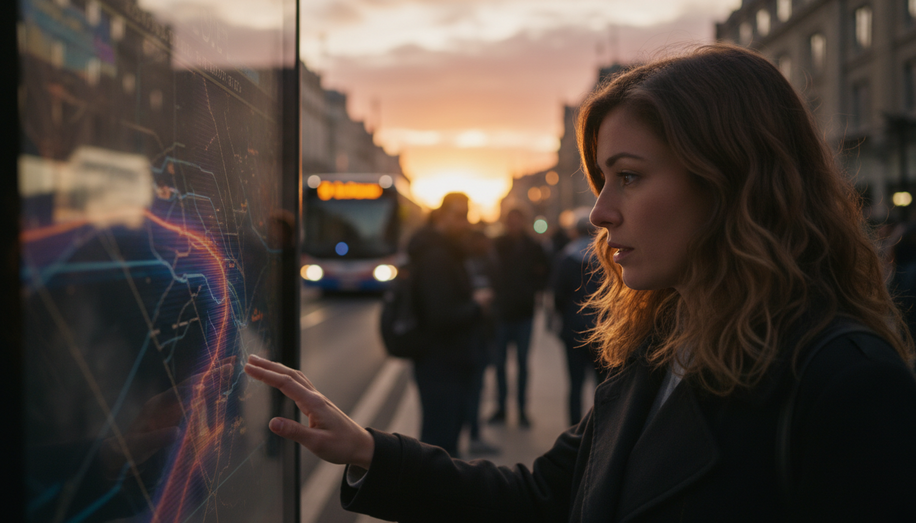

In the bustling corridors of transit hubs, the gleaming aisles of shopping malls, and the quiet limbo of waiting areas, out-of-home (OOH) advertising has long thrived on capturing fleeting glances. But as audiences linger longer in these place-based environments, a new metric is reshaping how brands measure true impact: dwell time. Defined as the precise duration a person or vehicle remains within an ad’s measurable view shed, dwell time moves beyond mere impressions to quantify confirmed exposure and engagement, offering advertisers a verifiable window into audience attention.
Traditional impressions count potential visibility—factoring in footfall, screen size, viewing angles, and ad loop frequency—but they fall short on quality. A digital screen in a metro station might log thousands of impressions from commuters rushing by, yet without dwell time data, there’s no assurance of message absorption. Dwell time, by contrast, reveals how long viewers actually stay in the viewing zone, turning raw reach into actionable insights on attention levels. In high-dwell settings like subway platforms or mall entrances, where averages can stretch to minutes, this metric confirms opportunities for deeper storytelling, while roadside spots demand instant, bold visuals optimized for mere seconds.
Consider a public transit shelter: passenger demand, bus spacing, and payment processes can yield 5-15 minutes of dwell time, far surpassing the 3-5 seconds at a high-speed billboard or the 15-20 seconds at an intersection. This variance dictates creative strategy. Short-dwell locations call for punchy, glanceable content, whereas prolonged pauses in retail queues or airport lounges accommodate layered narratives, QR codes, or sequential creatives running 10-15 seconds. Brands now tailor ad complexity to these realities, ensuring messages align with the environment’s rhythm.
Technology has unlocked this precision. Sensor- and camera-based systems, infrared arrays, WiFi trackers, and Bluetooth beacons capture real-time data on foot traffic, demographics, and linger duration without invading privacy. Cameras analyze viewing angles and even estimate age or gender, while mobile geofencing tracks post-exposure behavior. WiFi signals from smartphones reveal peak crowd patterns and repeat visits, helping advertisers pinpoint high-engagement zones. These tools provide not just counts but behavioral depth—how long individuals pause, whether they glance or gaze, and what follows.
Engagement rates build on dwell time, layering in attention quality. Physical sensors near OOH displays measure passersby and time spent looking, while programmatic DOOH platforms integrate this data for dynamic optimization: time-based targeting during peak hours or contextual messaging when dwell probability spikes. Verified exposure methods, like eye-tracking or surveys, confirm actual ad interaction, elevating campaigns from potential to proven. In lift lobbies or waiting areas, where dwell time naturally extends, these metrics reveal uplift in brand recall or foot traffic to nearby stores.
The payoff is tangible. Screens in high-dwell venues consistently deliver stronger ROI, justifying premium placements over volume-driven buys. Advertisers use the data to renegotiate media spends, reassess creative performance, and sync OOH with omnichannel efforts—like mobile retargeting those who’ve dwelled longest. Post-campaign, lift studies compare exposed versus control groups, isolating OOH’s influence on actions like website visits or purchases. This shift from impressions to dwell-driven analytics has made place-based OOH a cornerstone of accountable advertising.
Yet challenges persist. Calculating dwell time requires blending visibility distances, approach speeds, and behavioral variables, and not all environments yield uniform data. Privacy regulations demand anonymized tracking, and integration across platforms remains evolving. Still, pioneers like advanced analytics firms are powering this era with people-counting precision, tracking pedestrians and vehicles to validate exposure.
For brands, embracing dwell time and engagement rates unlocks the power of pause. In transit hubs where commuters hunker down, malls where shoppers meander, or queues where boredom breeds focus, these metrics transform static displays into dynamic engagement engines. No longer guessing at glances, advertisers now command the science of sustained attention, proving OOH’s place in a data-hungry world. As place-based environments grow denser with digital screens, those who master the pause will lead the next wave of outdoor impact.