
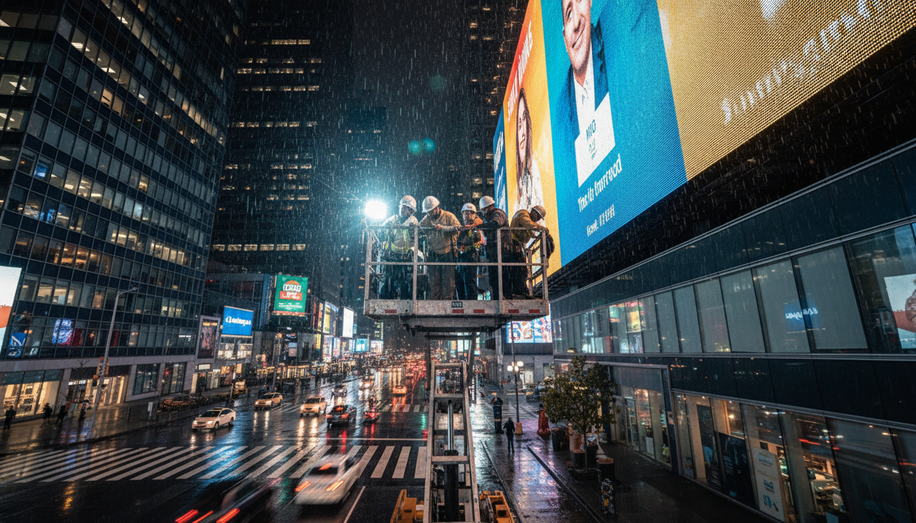

In the shadow of towering digital billboards and sprawling transit networks, a silent army of technicians, engineers, and logistics coordinators keeps the out-of-home (OOH) advertising ecosystem humming 24/7. These unsung heroes manage the intricate web of operations that ensures high-performing OOH networks deliver their visual punch to millions daily, from static billboards weathering coastal storms to dynamic digital out-of-home (DOOH) screens pulsing with real-time content in bustling urban hubs. Far from the glamour of creative campaigns, their work grapples with relentless environmental assaults, razor-thin maintenance windows, and the logistical marathon of scaling inventory across cities.
Consider the sheer scale: major OOH operators oversee thousands of assets, from 50 roadside structures to 5,000 sprawling installations, each demanding vigilant upkeep to avoid downtime that could cost advertisers dearly. Static OOH, with its always-on appeal and low CPM, faces unique rigors—activation and installation are notoriously time-consuming and expensive, often requiring specialized crews to hoist massive vinyl wraps or metal frames into place under tight deadlines. Environmental wear accelerates the challenge: billboards endure relentless sun, salt spray, wind gusts exceeding 100 mph, and urban grime, necessitating regular inspections for structural integrity, fading vinyl, or rust that could compromise safety and visibility. One operator might deploy its own fleet of trucks and technicians for these tasks, navigating permitting hurdles and traffic snarls, while others outsource to third-party specialists versed in high-elevation rigging and weatherproofing.
Digital OOH amplifies these demands exponentially. Unlike static formats, DOOH screens—found in high-traffic venues like highways, transit hubs, retail spaces, and street furniture—cycle through loops of 8-10 second ads from multiple advertisers, sharing exposure in a relentless digital playlist. Behind this seamless rotation lies a sophisticated technology stack: content management systems (CMS) and ad servers dictate which creative plays when, enforcing rules like weather-triggered messaging or geotargeted displays near universities for youth-focused brands. Yet, power failures, hardware glitches, or network outages can halt these systems mid-loop, demanding rapid-response protocols. Technicians perform nightly diagnostics, swapping out LED panels, cooling fans, or fiber optic cables under cover of darkness to minimize disruption, often in sub-zero winters or sweltering summers.
Logistics planning forms the backbone of this operation, orchestrating inventory across fragmented networks. Media owners control diverse screens—roadside billboards, transit wraps, place-based retail displays—each with unique specs for brightness, resolution, and loop capacity. Programmatic DOOH (pDOOH) has streamlined buying via demand-side platforms (DSPs), enabling real-time auctions based on audience data, weather, or sports scores, but it places even greater pressure on supply-side reliability. Operators must predict traffic patterns using mobile data integrations, ensuring screens in high-movement zones like public transit or gyms capture optimal impressions. Cross-channel synergies add layers: DOOH now syncs with CTV, social, and mobile for omnichannel retargeting, requiring synchronized content updates that test logistical bandwidth.
Maintenance isn’t just reactive; it’s a predictive science. Advanced analytics forecast failures—vibration sensors on bridges detect loosening bolts, while remote monitoring tracks pixel burnout or overheating in DOOH enclosures. For a network spanning multiple markets, this means centralized command centers coordinating regional teams, stocking parts inventories strategically to cut lead times, and training crews on everything from drone-assisted inspections to CMS troubleshooting. During peak campaigns, like holiday retail pushes or election seasons, surge planning kicks in: extra shifts install fresh creatives, calibrate brightness for dusk visibility, and verify programmatic feeds for dynamic triggers, all while adhering to municipal regulations that dictate illumination levels and ad durations.
The human element binds it all. Field technicians scale skyscraper facades at dawn, battling vertigo and harnesses to replace storm-damaged panels; logistics planners reroute trucks around urban gridlock to meet 24-hour creative swaps; engineers debug software glitches that could black out a transit loop during rush hour. Their efforts enable the data-driven magic—Audience Reach Percentage (ARP) optimization for precise targeting, real-time adjustments boosting ROI—that advertisers celebrate. Yet, challenges persist: talent shortages in specialized skills, rising material costs from supply chain disruptions, and the push toward sustainability, like solar-powered screens reducing grid dependency.
In an era where OOH proves its mettle with 100% share of voice and omnichannel integration, these backstage warriors ensure networks don’t just perform—they excel. Their meticulous choreography turns potential chaos into clockwork precision, proving that the most captivating ads rely on the grit of those who keep the lights on, literally and figuratively. Without them, the bold visuals gracing cityscapes would fade into obscurity, underscoring a timeless truth: in OOH, operational excellence is the real star.