
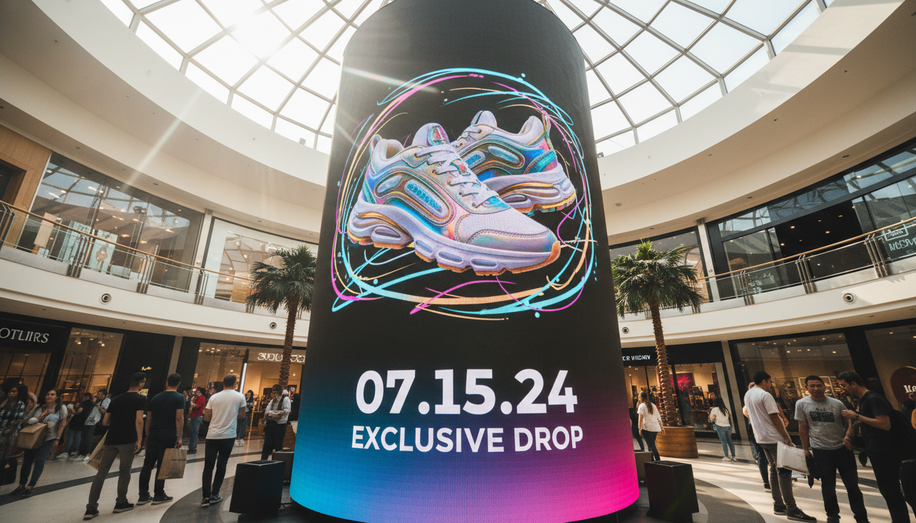

In the bustling aisles of modern shopping centers and retail outlets, digital screens are emerging as a linchpin in the retail media revolution, bridging the gap between online awareness and in-store impulse. Out-of-home (OOH) advertising, once confined to billboards and transit hubs, is now infiltrating physical retail spaces with precision-targeted digital out-of-home (DOOH) displays that leverage shopper data to influence purchases in real time. This in-store influence marks a pivotal evolution, transforming brick-and-mortar environments into dynamic media ecosystems where retailers monetize every square foot.
Retail media networks (RMNs), which have exploded online through platforms like those of Kroger and Carrefour, are extending their reach into physical stores by 2026, capitalizing on first-party data about what, when, and how often consumers buy. These networks turn retailers into media powerhouses, offering brands like Unilever and Procter & Gamble direct access to shoppers at the point of decision-making. Profit margins on ad sales often exceed 50%, dwarfing traditional product markups and fueling aggressive digitization of store spaces. Digital screens in high-traffic areas—aisles, checkout lines, and entrances—deliver contextually relevant messages, such as promotions on nearby shelves, creating a seamless “sofa to store” journey from digital awareness to physical purchase.
The growth trajectory is undeniable. US OOH ad spending is surging, with DOOH projected to claim 45.2% of the total by 2028, up sharply from 22% in 2016, driven by in-store placements and programmatic buying. Globally, the OOH market, valued at $28.48 billion in 2023, continues its ascent, powered by DOOH’s interactivity and measurability in retail venues alongside roadside and transit. In 2026, this momentum persists, with OOH evolving through data sophistication and technology that delivers clearer impact without invasive privacy intrusions. Dynamic, location-aware screens respond to real-world moments—weather, events, or foot traffic—while 55% of audiences report campaigns feeling relevant, fostering positive perceptions amid data sensitivity.
This in-store OOH surge addresses digital fatigue. As third-party cookies phase out and online channels suffer from banner blindness, physical retail offers an unskippable, high-trust alternative. Studies confirm OOH’s potency: 83% of shoppers recall seeing it within 30 minutes of purchase decisions, boosting brand trust and recall over other formats. Proximity-based placements near retail outlets drive immediate action, integrating with paid social, email, and loyalty programs to convert awareness into sales across the customer journey—from consideration in ambient spots like gyms to response at the shelf.
Retailers are no longer mere sellers; they’re media operators installing adaptive networks that turn static displays into data-responsive powerhouses. Programmatic OOH enables real-time bidding and targeting, correlating exposure with web traffic spikes, sales funnel acceleration, and footfall to stores. Agencies now prove ROI with the same rigor as digital channels, tracking offline actions like event attendance or retail visits. In fragmented media landscapes plagued by ad avoidance, OOH’s physical presence ensures mass reach and visual impact that’s impossible to ignore or block.
Yet challenges remain. Traditional OOH formats lag behind DOOH’s automation, creating tension as the medium scales precision. Retailers must prioritize shopper-centric strategies over mere screen proliferation, ensuring ads enhance rather than disrupt the experience. Success hinges on integration: OOH weaves through the funnel, reinforcing digital messages with contextual relevance only physical spaces provide.
Brands embracing this shift are redefining retail media. In-store DOOH doesn’t just advertise; it anticipates needs, measures outcomes, and closes the loop from exposure to transaction. As retail evolves into a media frontier by 2026, OOH’s in-store arm stands as its most potent weapon, proving that in a digital world, nothing influences like presence at the point of purchase.