
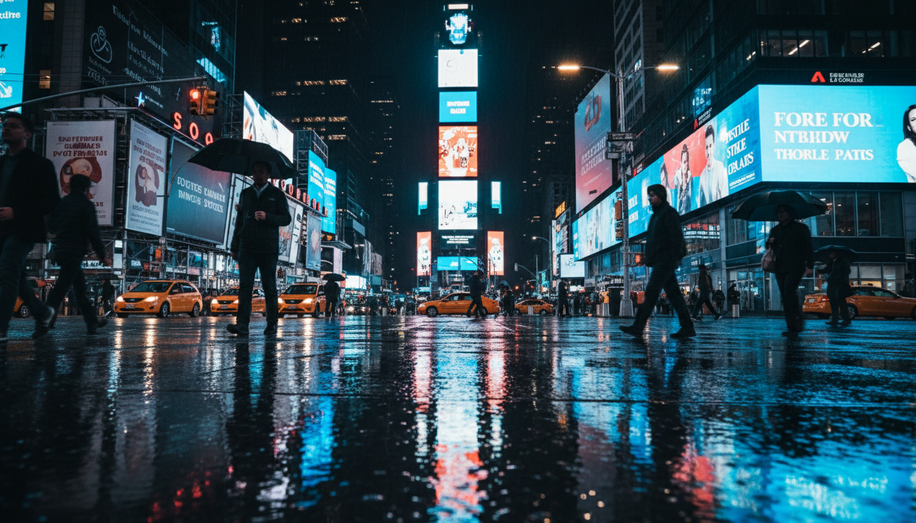

In the bustling corridors of city streets, where pedestrians rush and vehicles hum, out-of-home (OOH) advertising transforms fleeting glances into lasting tales. Brands harness this urban canvas to weave visual narratives that snag attention in seconds, forging emotional bonds with audiences who might otherwise pass by unnoticed. Unlike digital scrolls that demand swipes, OOH demands immediacy: a single, potent image or phrase that sparks curiosity, evokes feeling, and lingers in memory.
At its core, OOH storytelling thrives on simplicity and visual punch. Experts advocate ruthless editing—never more than seven words, paired with arresting visuals and a clear logo—to pierce the urban din. Yet the most brilliant campaigns defy even these conventions, proving that bold narrative risks can redefine the medium. Consider Nike’s “Just Do It,” a mantra of grit that positions the viewer as hero, overcoming invisible obstacles amid the daily grind. Its sparse text and dynamic imagery don’t just advertise; they inspire a personal epic, turning commuters into protagonists. This hero’s journey, a staple of great stories, invites audiences to envision themselves wielding the brand as their sword against life’s challenges.
Visuals serve as the silent narrators in this high-stakes theater. High-definition digital billboards pulse with dynamic content, updating in real-time to mirror weather or events, pulling passersby into the moment. Coca-Cola’s “Share a Coke” personalized the narrative by splashing names across bottles on billboards, evoking nostalgia and connection in an instant. Viewers didn’t just see an ad; they saw their own story of friendship reflected back, a subtle conflict resolved through sharing. Such campaigns tap universal emotions—joy, triumph, belonging—ensuring the message sticks long after the traffic light changes.
Conflict propels these tales forward, creating tension that OOH resolves with elegant brevity. Patagonia’s “Worn Wear” saga, adapted from social triumphs to urban displays, spotlights real adventurers mending gear amid epic quests, pitting human endurance against nature’s wear. Building wraps and wallscapes amplify this on monumental scales, draping cityscapes in immersive conflicts where the brand emerges as ally. Apple’s “Shot on iPhone” flips the script: everyday heroes capture breathtaking vistas, their phones transforming mundane commutes into portals of wonder. These large-format dominants don’t shout; they envelop, generating social buzz as snapshots proliferate online.
Emotional resonance elevates OOH from billboard clutter to cultural touchstone. Brands focus on one potent feeling—awe at a Yeti “Hero Moment” frozen in time, a hiker savoring dawn coffee—or humor that elicits a roadside chuckle. REI’s #OptOutside urged rebellion against consumerism, featuring authentic tales of Black Friday escapes into nature, humanizing the brand amid retail frenzy. This relatability draws from social media’s playbook: showcase real people, personal journeys, diverse voices, prioritizing emotion over product specs.
Technology supercharges these narratives, blending physical and digital realms. Augmented reality (AR) billboards animate static scenes via smartphones, inviting interaction—a virtual climb or shared adventure—that extends the story beyond the street. Digital out-of-home evolves with interactivity, weather-responsive messages, or challenges echoing National Geographic’s #YourShot, where user photos flood urban displays, co-authoring the tale. Storefronts reborn as immersive installations turn vacant spaces into brand epics, passersby stumbling into narratives that redefine the landscape.
Yet success hinges on execution amid urban chaos. Frequency matters: sustained presence across multiple sites builds familiarity, allowing the story to unfold over repeated exposures. Interactivity fosters collaboration, much like hashtag campaigns that spill from OOH into social feeds, amplifying reach. Livat Shanghai’s grand opening or YSL’s 3D parfum experiences hint at future hybrids, where AR pulls urbanites into multisensory sagas.
Ultimately, OOH storytelling masters the urban pulse by distilling complex emotions into visual poetry. It doesn’t compete with the city’s rhythm; it syncs with it, turning infrastructure into inspiration. Brands like Patagonia and Nike prove that in seconds, a well-crafted narrative can humanize, challenge, and connect, leaving indelible impressions on the collective city psyche. As digital evolves, OOH remains the original storyteller, etching brand legacies into the very fabric of daily life.