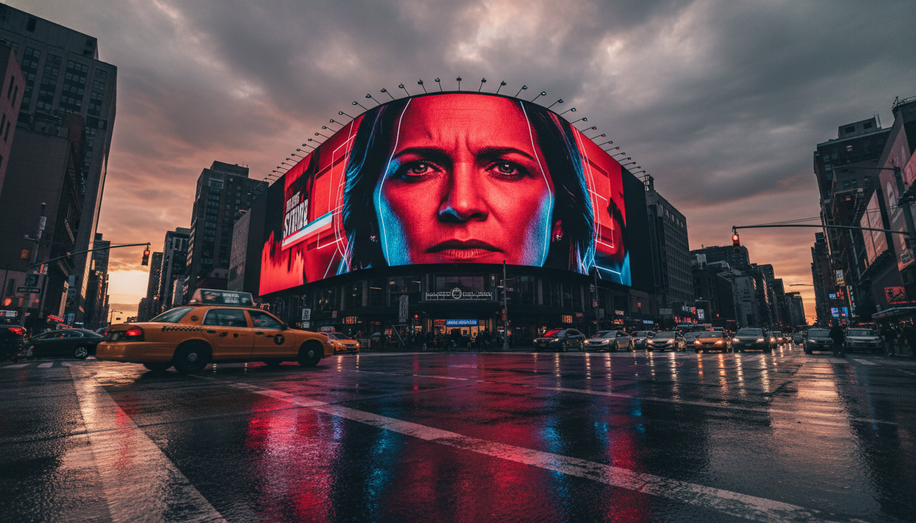

In the high-stakes arena of political campaigns, out-of-home (OOH) advertising has emerged as a powerhouse for reaching voters where they live, work, and travel, particularly in key districts where every impression counts. As the 2026 election cycle ramps up to become one of the most competitive and capital-intensive in history, political parties and candidates are pouring resources into OOH and its digital counterpart, DOOH, to cut through the digital clutter and deliver unskippable messages. With spending projected to surpass $10 billion overall, OOH’s ability to target battleground areas like Arizona, Georgia, Nevada, Pennsylvania, Florida, and Texas positions it as a strategic linchpin for swaying undecided voters and mobilizing bases.
Political advertisers leverage OOH’s geographic precision to communicate tailored messages that resonate in specific districts, addressing local issues from gas prices to ballot initiatives with hyper-focused placements. For instance, billboards positioned at gas stations highlight rising fuel costs, while those near family restaurants emphasize regional policy concerns, ensuring messages land in contextually relevant environments. This location-based targeting extends to high-traffic corridors, polling stations, and key conventions, allowing campaigns to blanket pivotal DMAs—designated market areas—without the waste of broad TV buys that voters often ignore. In the 2024 cycle, over 80% of adults in certain markets encountered political OOH ads, underscoring its penetration in swing regions where redistricting and turnout battles intensify competition.
The medium’s bold, larger-than-life format excels at building awareness rapidly, sparking conversations that amplify reach through social media and earned media. Morning Consult research reveals that 68% of likely voters have seen OOH political ads, with 50% encountering them in the past month alone, and 49% reporting personal influence—20% deeming them very influential. This impact is particularly pronounced among demographics that over-index with OOH, including Gen Z (110 index), Hispanic Americans (110), and Black Americans (106), making it invaluable for multicultural and younger voter blocs critical to modern elections. In key districts, where local and state races account for nearly 90% of OOH political dollars over the past decade, candidates use these assets to reinforce narratives on economic concerns, trust amid polarization, and turnout reminders.
OOH’s resurgence ties into surging ad demand, with 89% of sellers expanding political inventory since the last presidential election and 86% noting significant rises. Revenue peaked in the 2022 midterms and 2024 generals, with two-thirds of spend hitting in the second half of even-year cycles, often spiking in Q4 as campaigns chase late deciders. Programmatic DOOH and custom audience segments—based on political affiliation, interests, demographics like race and ethnicity—enable real-time adjustments, fueling a 91% surge in national ad demand post-major candidate entries. Publishers report climbing rates for 84% of inventory, capitalizing on OOH’s high trust: 56% of exposed likely voters view these ads as truthful and accurate.
What sets OOH apart in fragmented media landscapes is its stability and inescapability. Unlike skippable digital or cluttered TV spots, OOH thrives in real-world visibility, offering competitive CPMs, uncluttered environments, and constant exposure. Campaigns in volatile districts benefit from transparent reporting and consistent rate practices, which build confidence and streamline buys amid fundraising surges and primaries. In battlegrounds, this translates to strategic dominance: Clear Channel Outdoor’s coverage spans 14 states and 28 DMAs, including Washington D.C., ensuring candidates meet voters en route to work, dining spots, or ballot boxes. The result? 25% of likely voters report heightened issue awareness from OOH political ads, and 26% feel reminded of voting’s importance.
As 2026 unfolds, OOH’s role extends beyond mere awareness to active persuasion. Its integration into omnichannel strategies amplifies TV and digital efforts, with creative executions driving controversy that generates free buzz. Political spend on OOH hit records in recent cycles—up 113% year-over-year in 2022 midterms—reflecting recognition of its voter engagement value. For parties targeting persuadable independents in purple districts, OOH delivers bold impact that lingers, fostering familiarity and subtle shifts in opinion.
Yet, OOH’s influence isn’t without challenges. Sudden spending spikes demand agile inventory management, and while transparency bolsters investment, competitive bidding in hotspots like Pennsylvania or Georgia can strain supply. Still, with voter attention fractured, OOH’s physical presence—unblockable and ambient—proves resilient, positioning it as essential for campaigns aiming to dominate key districts. In an era of misinformation, its perceived credibility further enhances sway, turning passersby into informed—or influenced—electorate participants.
Ultimately, OOH transforms political messaging from ephemeral screens to enduring environmental cues, wielding outsized power in districts that decide elections. As candidates refine strategies for 2026, this medium’s blend of precision, trust, and audacity ensures it remains a voter-influencing force.