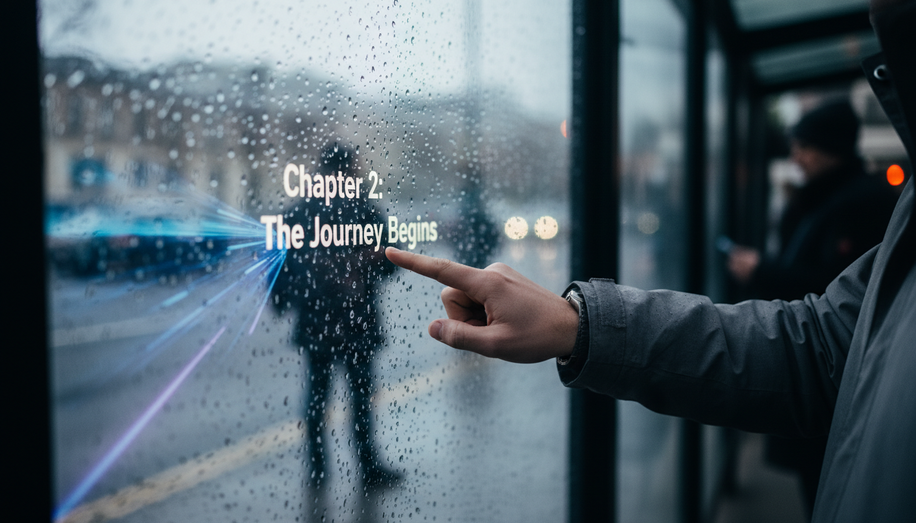

In the bustling rhythm of urban life, where commuters weave through familiar routes and pedestrians trace daily paths, out-of-home (OOH) advertising has evolved from static announcements into dynamic chapters of a larger narrative. Brands are increasingly harnessing the power of sequential storytelling, placing ads along predictable audience journeys to unfold a compelling story one panel at a time. This multi-location approach transforms fleeting glances into immersive experiences, guiding viewers from intrigue to revelation without ever demanding their full attention.
The foundation of such campaigns lies in understanding the narrative arc—exposition, rising action, climax, and resolution—mirrored across physical spaces. Consider a commuter traveling from suburb to city center: the first billboard at the highway entrance serves as the prologue, introducing a relatable character or provocative question that sparks curiosity. “What if your morning rush hid a secret?” it might tease, with stark visuals of a harried parent juggling coffee and chaos. As the journey progresses, subsequent placements build tension. A bus shelter midway escalates the stakes: the same character now faces an obstacle, perhaps a spilled latte symbolizing life’s unpredictability, paired with a brand’s subtle hint at relief. This progression relies on precise audience mapping, leveraging data on traffic patterns, dwell times, and behavioral flows to ensure the story hits in sequence.
JCDecaux, a leader in urban OOH, exemplifies this through campaigns that weave multi-channel narratives across cityscapes, creating anticipation as viewers encounter varied touchpoints. Their approach ensures each placement advances the plot, fostering long-term brand affinity rather than one-off recall. Similarly, data-driven precision amplifies impact. Tools like geofencing and location targeting allow brands to align digital extensions with physical ads, such as triggering app notifications that continue the tale after a billboard sighting. Burger King’s 2018 “Whopper Detour” campaign illustrated this hybrid potential, using geofences around competitors’ sites to deliver provocative messages on nearby digital billboards, turning rivalry into a sequential lure that drove app downloads and foot traffic.
Crafting these arcs demands more than creativity; it requires “less is more” restraint tailored to OOH’s glanceable nature. Each panel must stand alone yet propel the whole, employing universal themes like family, adversity, or hope to forge emotional connections. Movia Media emphasizes placing people at the story’s center—authentic, vulnerable figures that prompt viewers to wonder, “Why are they here? How does this relate to me?” Nostalgic archetypes, such as folk tale-inspired characters, add cultural resonance, while stark statistics ground the narrative in reality, building credibility without overwhelming the format.
Execution hinges on location intelligence. Parking facilities offer ideal canvases with extended dwell times and known audience profiles, enabling successive exposures that mimic a serialized drama. Highways demand bold, minimal visuals for high-speed passes; transit hubs allow layered details for repeated views. Digital OOH adds flexibility, rotating panels to pace the story dynamically—perhaps syncing with real-time elements like weather or time of day. QR codes or URLs serve as narrative bridges, inviting deeper engagement without disrupting the flow, turning passive passersby into active participants.
Challenges persist: mismatched placements can fracture the story, leaving audiences confused rather than captivated. Success stories underscore the need for rigorous planning. Imagine a coffee brand’s campaign: Site one near residential areas poses, “Tired of bland mornings?”; en route to work, it escalates to “When chaos strikes, what’s your move?”; arriving downtown, the climax reveals the hero’s triumph—a steaming, transformative brew. Foot traffic data confirms 30% uplift in store visits, as the sequential pull converts curiosity into action.
Beyond consumer goods, sectors like nonprofits thrive here. A health awareness drive might chart prostate cancer stats across a runner’s park-to-gym route, evolving from sobering facts to hopeful interventions, vulnerability fostering trust. Experiential twists elevate further: interactive elements or AR extensions via phone scans extend the arc into personal realms.
Successfully orchestrating these multi-location narratives demands unparalleled precision and insight. Blindspot offers the advanced location intelligence and audience analytics necessary to meticulously map story arcs to actual commuter pathways and dwell times, ensuring each panel sequentially builds on the last without fragmentation. This allows brands to not only craft compelling urban sagas but also to validate their impact through real-time performance tracking and ROI measurement, transforming curiosity into concrete action. Learn more at https://seeblindspot.com/