
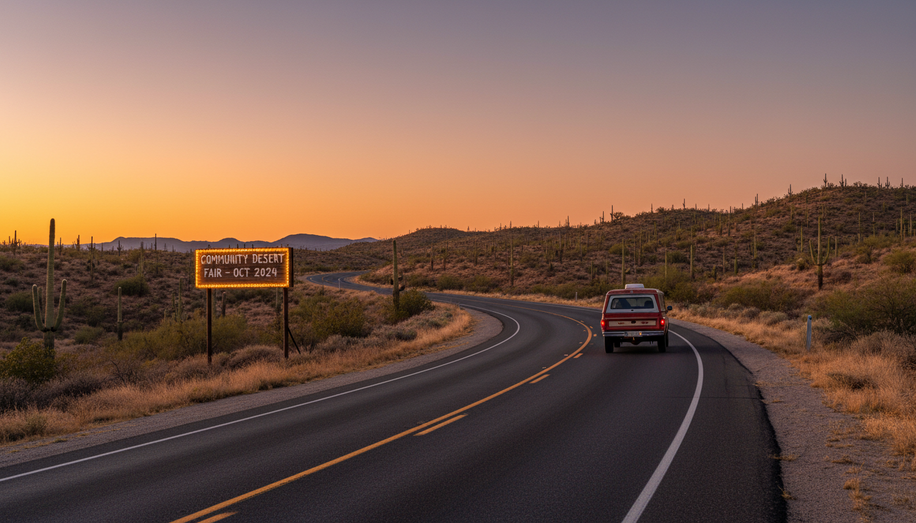

In the vast expanses beyond city limits, where highways stretch into endless horizons and small towns dot the landscape like scattered stars, out-of-home (OOH) advertising finds a fertile, if overlooked, ground. Remote and rural markets, often dismissed by brands chasing urban density, present unique challenges—sparser populations, limited inventory, and unpredictable traffic patterns—but also profound opportunities for hyperlocal impact and cost-effective dominance. Here, a single billboard can become a community fixture, forging connections that urban campaigns rarely achieve.
Traditional OOH strategies, honed on bustling freeways and neon-lit skyscrapers, falter in these secondary and tertiary markets. Population density plummets, shrinking the pool of eyes on ads and complicating impression metrics that rely on high-volume footfall. Inventory is scarce: think weathered billboards along county roads, transit shelters at rural bus stops, or signage at local retailers and modest sports arenas, rather than the digital spectacles of Times Square. Yet this scarcity flips into an advantage. With fewer competitors vying for space, brands secure prime real estate at a fraction of urban costs, often locking in placements for months or even years, far outlasting the standard four-week urban burst.
Consider the economics: rural OOH pricing dives well below metropolitan rates, allowing extended runs that embed messaging into daily life. A highway bulletin near a town’s main artery doesn’t just capture commuters; it greets farmers heading to market, families en route to school, and travelers seeking respite at roadside diners. Data from providers like Alluvit Media underscores this, mapping impressions along high-traffic rural corridors—entrances to towns, key intersections, or routes to gathering spots—where visibility rivals cityscapes without the clutter. These spots amplify reach to both locals and passersby, turning potential drive-bys into repeated encounters.
The true power lies in community resonance. Rural audiences prize authenticity; tight-knit groups respond to ads that mirror their world, leveraging local landmarks, events, or cultural touchstones. A brand speaking directly to these prospects builds personal relationships, fostering trust through sustained presence. Billboards evolve into landscape staples, their messages seeping into conversations at diners or church socials. This hyperlocal engagement drives loyalty: visibility begets top-of-mind awareness, nudging purchases at nearby stores or services.
Opportunities multiply when OOH integrates with digital savvy. Geofencing pairs physical displays with mobile precision, targeting users who’ve passed a rural rink-side banner with tailored phone offers later—blending the tangible with the trackable. Research from MRI-Simmons and the Outdoor Advertising Association of America shows OOH boosting multichannel campaigns by up to 100%, a boon for rural strategies layering social or mobile atop static boards. Imagine a farm equipment maker erecting bulletins on harvest routes, then retargeting viewers via app notifications; the physical ad plants the seed, digital nurtures the sale.
Challenges persist, demanding adaptive tactics. Traffic isn’t rush-hour gridlock but seasonal swells—hunting season, county fairs, or summer tourism—that require timing over blanket saturation. Planners must scour data for those high-traffic veins: the artery into a feed store or the road to a weekend arena. Culturally attuned creative is non-negotiable; generic urban copy flops amid dialects and traditions. Success stories abound: regional retailers dominating with long-term transit shelter wraps, or national chains testing rural waters via bulletins that spotlight local endorsements.
Forward-thinking brands are reaping rewards. Cost savings fund bolder creativity, while low competition yields outsized ROI—impressions per dollar that urban rivals envy. Remote markets, amplified by remote work trends and e-commerce growth, harbor untapped spenders who value proximity and personalization. A national beverage giant might overlook these pockets, but savvy locals or regionals thrive, turning “unseen” audiences into fervent advocates.
Ultimately, rural OOH demands patience over blitz, intimacy over scale. By prioritizing high-impact arteries, embracing longevity, and fusing with digital, advertisers unlock markets where ads don’t compete—they belong. In an era of fragmented media, these overlooked frontiers offer a return to advertising’s roots: visible, visceral, and profoundly local. Brands willing to venture off the beaten path discover not just audiences, but allies.