
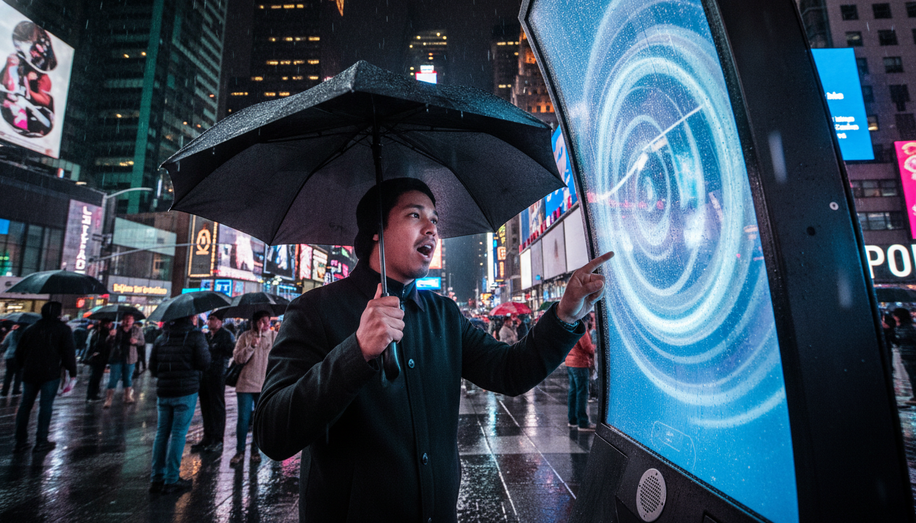

The advertising landscape is undergoing a profound transformation as voice technology converges with out-of-home media. What was once considered science fiction—billboards that respond to spoken commands and digital displays that understand human dialogue—is rapidly becoming mainstream reality. This fusion of voice assistants and OOH advertising represents more than a technological novelty; it marks a fundamental shift in how brands can engage audiences in physical spaces.
The integration of voice-activated technology into OOH campaigns addresses a critical challenge facing modern advertisers: capturing attention and driving meaningful interaction in an increasingly crowded media environment. Traditional static billboards, while still valuable, compete for eyeballs in a world saturated with digital stimuli. Voice technology transforms these displays from passive visual elements into dynamic, conversational platforms that invite consumer participation.
Voice-activated displays represent the most direct application of this technology in OOH advertising. Imagine a consumer walking past a digital billboard and saying “show me,” triggering the display to present product information, pricing, or service details. This simple interaction fundamentally changes the relationship between brand and audience. Rather than being a passive recipient of messaging, the consumer becomes an active participant in discovering information they actually want.
Audio and voiceprint recognition technologies layer additional sophistication onto this foundation. When a passerby mentions a specific need—say, “I need a taxi”—nearby transit advertisements can instantly respond with relevant booking information and promotions. More impressively, voiceprint recognition enables personalization at an unprecedented scale. Ads can tailor messaging based on identified individuals, targeting returning customers with offers specifically designed for them while adjusting content for first-time prospects. This level of personalization transforms OOH from a mass medium into something far more intimate and relevant.
The accessibility benefits deserve particular emphasis. Voice-activated technology removes barriers for individuals who may struggle with traditional interactive elements. Elderly consumers, people with mobility challenges, and visually impaired audiences can engage with advertisements through voice commands, expanding the reach and inclusivity of campaigns. This democratization of access strengthens brand loyalty by demonstrating genuine commitment to serving all consumers.
Integration with existing smart home ecosystems amplifies the potential of voice-activated OOH advertising. Consumers already trust Amazon Alexa, Google Home, and similar platforms with intimate daily tasks. When brands create voice experiences that feel native to these familiar platforms, they leverage that established trust. A consumer comfortable asking their home assistant for restaurant recommendations might naturally extend that comfort to an interactive billboard offering dining suggestions with a simple voice prompt.
Real-world applications are already demonstrating measurable impact. Leading cosmetics brands have deployed AI-driven digital displays in shopping environments, using IoT sensors to analyze foot traffic patterns and consumer behavior in real time. By combining this data intelligence with voice interaction capabilities, these campaigns have generated significant sales increases while simultaneously collecting valuable consumer insights for future strategy refinement.
The data collection dimension represents a powerful secondary benefit. Every voice interaction provides brands with structured, actionable information about consumer intent, preferences, and behaviors. This real-time data gathering enables rapid campaign optimization and informs broader marketing strategy development.
However, successful implementation requires careful consideration. Privacy concerns loom large when technology listens to and potentially identifies consumers. Brands must implement transparent data practices and secure systems that build rather than erode consumer trust. Additionally, voice technology performs best when integrated seamlessly into natural consumer journeys rather than forced awkwardly into existing campaigns.
The convergence of voice assistants and OOH advertising represents the medium’s evolution into something truly interactive and responsive. As consumers become increasingly comfortable with voice-activated technology in their homes, extending these interactions to outdoor environments feels natural rather than intrusive. For forward-thinking brands willing to invest in this convergence, the opportunity to create memorable, personalized, and genuinely useful brand experiences has never been greater. The billboards aren’t just talking anymore—they’re listening, and waiting for consumers to speak up.
Navigating this intricate landscape of interactive, voice-activated OOH demands sophisticated tools capable of managing dynamic content, tracking real-time engagement, and measuring true ROI. Blindspot empowers brands to optimize these next-generation campaigns through programmatic DOOH management, comprehensive audience analytics, and precise performance attribution, transforming voice interactions into measurable business outcomes. Discover how to leverage data-driven insights for your OOH strategy at https://seeblindspot.com/