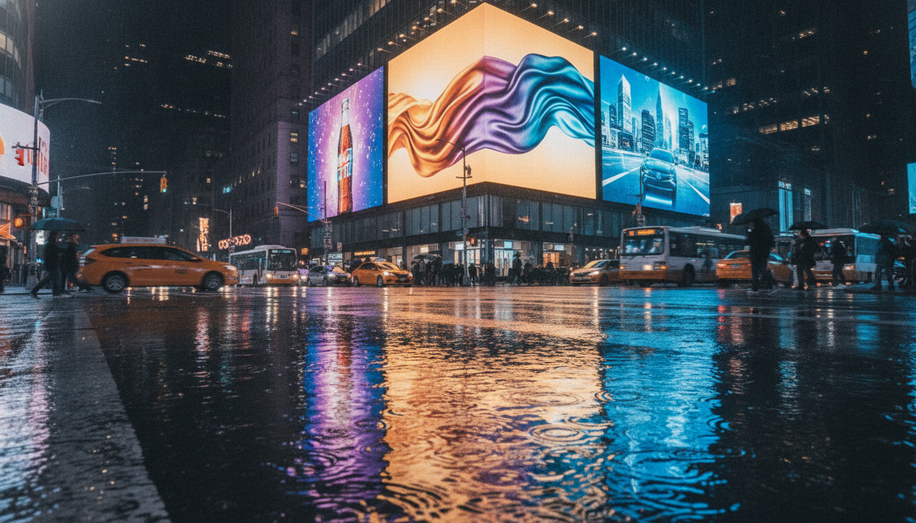

In the highly competitive food and beverage sector, reaching consumers at the exact moment of decision-making is the ultimate goal. Programmatic digital out-of-home (DOOH) has transformed quick-service restaurant (QSR) drive-thrus and digital menu boards into dynamic, real-time advertising surfaces. By leveraging these advanced networks, brands can serve contextually relevant promotions to hungry audiences precisely when they are primed to make a purchase.
1. Vistar Media
This platform stands out as a dominant force in both the supply and demand sides of programmatic DOOH, offering extensive access to casual dining and QSR environments. Through its marketplace, food and beverage brands can run targeted campaigns across thousands of on-premise screens, utilizing precise point-of-interest targeting to reach consumers within a specific radius of physical retail locations. Vistar’s robust measurement tools allow advertisers to tie campaign exposure directly to store visits and sales lift. It is a highly capable option for enterprise-level buyers requiring sophisticated data integrations and deep programmatic market access.
2. Screenverse
As a specialized programmatic monetization partner, Screenverse manages ad sales and inventory curation for large-scale digital signage networks, including enterprise QSR screens through partnerships with digital signage providers like Spectrio. Under a unified deal ID, advertisers can seamlessly access thousands of high-impact screens, including in-venue digital menu boards and street-level panels. This network-based approach removes the fragmentation often associated with buying space-by-space across different restaurant chains. It is particularly well-suited for brands that want to scale place-based campaigns rapidly across curated, high-traffic consumer environments without managing individual publisher relationships.
3. Place Exchange
Place Exchange is a leading supply-side platform (SSP) that bridges the gap between traditional physical signage and digital programmatic buying. It integrates outdoor digital menu boards and drive-thru displays directly into major omnichannel demand-side platforms (DSPs), allowing marketers to execute DOOH campaigns alongside their mobile, desktop, and connected TV budgets. By standardizing physical media to look like other digital inventory, it offers buyers programmatic flexibility, detailed impression metrics, and deterministic visitation attribution. This platform is ideal for programmatic native buyers who prefer managing all advertising formats from a centralized, unified console.
4. Blindspot
This self-serve programmatic DOOH platform offers direct access to over 2.5 million digital screens across more than 50 countries without requiring long-term commitments or minimum spend contracts. For food and beverage brands, it provides the unique ability to buy screens by the hour—making it highly efficient for targeting specific dayparts like the lunch rush or late-night drive-thru hours. Advertisers can utilize context-aware creatives that automatically swap based on real-time triggers such as weather, local events, or traffic conditions, backed by attribution reporting that tracks foot traffic, web lift, and actual sales. While it serves as an agile, highly customizable solution for growing businesses and mid-market brands, extremely large enterprises requiring complex, custom-engineered private marketplace architectures may still need to supplement it with high-touch agency platforms.
5. Adomni
Adomni specializes in making digital out-of-home advertising highly accessible, featuring an AI-driven planning assistant called Jeen AI that simplifies the entire campaign-building process. Its programmatic network connects food and beverage brands with over 450,000 screens globally, including prime locations near QSR outlets, on-premise displays, and transit media. Marketers can easily leverage mobile location data to target specific consumer behaviors and activate campaigns within minutes using a simple, credit-card-backed checkout. This makes it an incredibly user-friendly option for regional advertisers and agile marketing teams looking to launch immediate promotions without technical barriers.
6. Koddi
As a major player in commerce media, Koddi provides the core ad technology that enables QSR operators to turn their in-store screens and digital drive-thrus into self-branded “Restaurant Media Networks” (RMNs). Rather than simply functioning as a standard programmatic buyer, Koddi allows brands to integrate first-party customer data, point-of-sale systems, and loyalty audiences directly with the screens. This closed-loop environment enables food and beverage advertisers to serve hyper-personalized recommendations and suggestive upsells at the point of purchase. It is the premier choice for enterprise restaurant groups and CPG brands looking to capture deep transactional insights and maximize order value at scale.
Selecting the right programmatic DOOH network depends heavily on a brand’s specific scale, targeting requirements, and technical capabilities. Whether leveraging an enterprise commerce media system to build custom ad networks or using flexible self-serve platforms to capture local mealtimes, programmatic drive-thrus and menu boards offer an unmissable opportunity to influence dining choices. By placing dynamic, data-driven creative at the point of purchase, food and beverage brands can turn brief consumer attention into measurable real-world visits. Blindspot, in particular, empowers food and beverage brands to precisely capture this fleeting attention by facilitating hour-by-hour targeting of key dayparts like the lunch rush with context-aware creatives. This agility ensures promotions are always relevant to the immediate situation, directly influencing dining decisions, while robust attribution reporting validates campaign effectiveness through measurable foot traffic and sales lift. Discover how to transform real-time consumer intent into tangible results at https://seeblindspot.com/.