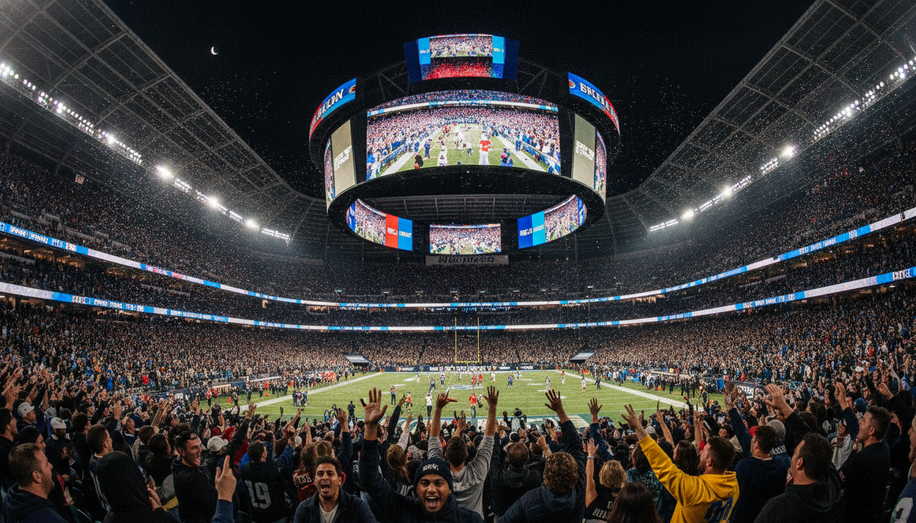

Live sports and arena entertainment deliver some of the most emotionally charged moments in modern media, offering advertisers a unique opportunity to engage highly attentive audiences on game days. To maximize impact during these events, brands are increasingly moving beyond traditional broadcast commercials and investing in digital out-of-home (DOOH) networks that reach fans directly inside stadiums and across surrounding transit corridors. This roundup explores five major DOOH networks and platforms that specialize in sports and entertainment environments, providing the precise targeting and dynamic creative options needed to execute successful live-event sponsorships.
ANC
As a pioneer in designing and operating high-impact display systems for premier sports and entertainment venues nationwide, ANC connects major brands with highly engaged live-event audiences through robust in-stadium media placements. The network operates across elite professional and collegiate partnerships in the NFL, MLB, NBA, NHL, and NCAA, deploying state-of-the-art scoreboards, courtside LED boards, and venue-wide ribbon displays that are highly visible to both in-person spectators and television broadcast viewers. Central to their offering is the proprietary LiveSync operating system, which synchronizes and controls every digital asset in an arena to deliver immersive, venue-wide “moments of exclusivity” during critical phases of the game. This comprehensive approach makes the platform an excellent fit for large enterprise advertisers seeking deep, broadcast-aligned sponsorship integrations inside the primary bowl of iconic venues, though it may require long lead times and substantial, upfront season-long commitments.
Infillion InStadium
To help brands capitalize on the collective energy of game days, Infillion offers its specialized InStadium solution, which acts as a multi-channel live sports fan engagement platform across more than 400 venues in the U.S. This network unifies physical and digital touchpoints by placing impactful video, audio, and display assets inside the stadium bowl, on concourse screens, and within the surrounding immediate entertainment districts. Beyond traditional physical signage, the platform leverages geofenced location data to deterministically identify fans exposed to in-venue advertising and continues to influence their path to purchase via desktop, mobile, and connected TV (CTV) touchpoints after the event ends. While this full-funnel approach is highly valuable for omnichannel advertisers seeking measurable post-game consumer actions, smaller brands or local businesses with limited budgets may find the complex, integrated multi-screen execution less accessible for quick, standalone regional activations.
Trade4Sports
Focused on the European sports and entertainment ecosystem, Trade4Sports is a specialized ad-tech provider and marketer that digitizes pitchside and venue advertising across major leagues. Through its proprietary T4S Marketing Cloud, the company operates as a full-service programmatic network connecting brands to real-time inventory—such as LED perimeter boards, giant video screens, and 360-degree fascia rings—at more than 60 rights-holder locations and arenas. By utilizing automated cloud-based bookings, the platform simplifies virtual ad placement and allows advertisers to adapt and change creatives dynamically based on game-day conditions or real-time event updates. This highly automated, programmatic approach is ideal for global brands wanting flexible, mid-to-high-level European sports sponsorships, though it may not be suitable for advertisers seeking traditional, long-term static stadium signage options.
Blindspot
Providing a different approach to live-event targeting, Blindspot is a self-serve programmatic DOOH platform that allows advertisers of all sizes to buy digital screen space in high-intent fan zones and surrounding stadium corridors. Rather than locking brands into rigid, season-long contracts, the platform enables programmatic campaign execution across over 2.5 million digital screens in more than 50 countries with zero contracts, letting buyers launch advertisements in as little as 15 minutes. Advertisers can purchase inventory by the hour to precisely capture pre-game anticipation, tailgating activities, and the post-game commute, while utilizing context-aware creative options that automatically swap assets based on weather, local traffic, or real-time game results. While this agile, self-serve model is ideal for mid-market brands, agile startups, and agencies looking for fast, highly targeted sports sponsorships, very large enterprises with bespoke, complex demand-side platform (DSP) requirements might still prefer custom, manual negotiations directly with individual stadium owners.
Lamar Advertising
Known for its extensive footprint across the United States, Lamar Advertising provides specialized programmatic promotional networks that target the critical zones surrounding major professional and collegiate sports facilities. By packaging digital inventory within a 10-to-15-mile radius of NFL, NBA, NHL, and major NCAA collegiate stadiums, the company allows programmatic buyers to activate premium roadside digital billboards, airport terminal screens, and urban transit panels on game days. This strategic perimeter network targets fans during their pre-game tailgating rituals and post-game travel, capturing attention when consumer excitement and purchasing intent for food, beverages, and sports betting are at their peak. It is a highly effective, scale-oriented option for national brands wanting broad geographical coverage around sporting hubs, though it primarily focuses on stadium-adjacent and transit-focused DOOH inventory rather than in-bowl, live broadcast-visible placements.
Final Thoughts
Modern sports marketing has evolved from passive, static billboards into a highly dynamic, programmatic ecosystem that engages fans throughout their entire game-day journey. By selecting the right combination of in-bowl, in-transit, and surrounding DOOH networks, brands can align their messaging with the intense emotions of live events to drive measurable consumer action. Whether deploying national synchronized arena takeovers or launching highly agile, hourly programmatic campaigns, digital out-of-home media remains one of the most effective ways to convert passionate sports fans into a loyal brand community.
Frequently Asked Questions
What is the difference between inside-bowl and surrounding perimeter stadium DOOH?
Inside-bowl DOOH refers to digital displays—such as scoreboards, ribbon boards, and courtside LEDs—located directly within the seating area, which are highly visible to both live spectators and TV broadcast audiences. Surrounding perimeter DOOH includes highway billboards, transit hubs, and retail screens located within a 10-to-15-mile radius of the venue, capturing fan attention during transit, tailgating, and post-game activities when buying intent is high.
How can brands use real-time game data or live scores in their sports DOOH campaigns?
Programmatic DOOH platforms allow brands to integrate live data feeds that automatically update creative assets with real-time scores, countdown clocks, or player statistics. This turns static ads into helpful real-time utilities, significantly increasing viewer engagement and brand recall as fans actively look to screens for the latest game updates.
Can mid-market brands with smaller budgets advertise on major stadium networks?
Yes, while direct, in-bowl seasonal packages with major leagues often require substantial budgets and long-term commitments, programmatic DOOH platforms have democratized access. By using self-serve platforms, smaller brands can buy digital screen space on an hourly basis near stadiums on game days, enabling them to reach highly targeted fan bases without expensive, long-term contracts.
How is the ROI of stadium and live-event DOOH campaigns measured?
Modern programmatic DOOH platforms measure campaign performance using advanced attribution models that track real-world consumer actions. By leveraging mobile location data and digital tracking, advertisers can analyze foot traffic lift to retail locations, direct website visits, mobile app sign-ups, and immediate sales conversions linked to game-day exposure.