
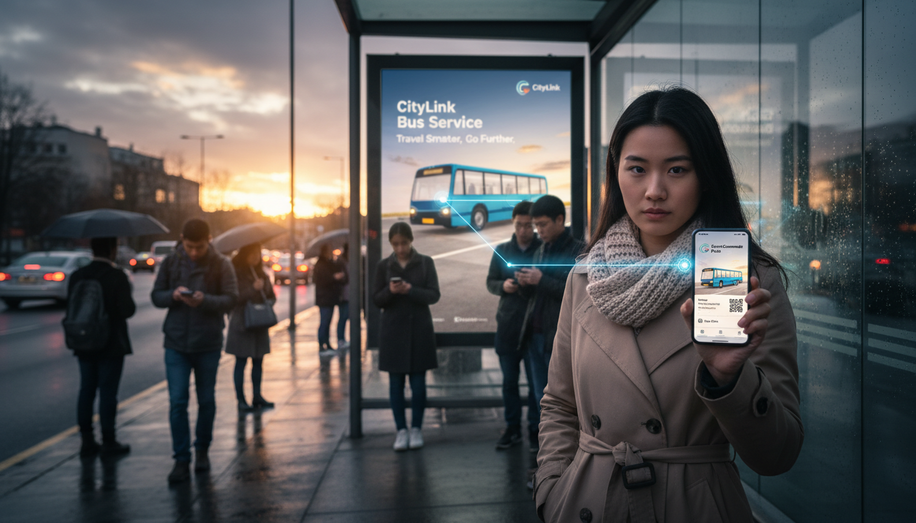

In the bustling landscape of out-of-home (OOH) advertising, where billboards have long commanded attention from passing motorists and pedestrians, geofencing technology emerges as a transformative force. This location-based innovation creates virtual boundaries around specific geographic areas using GPS, Wi-Fi, or cellular data, triggering tailored mobile ads or notifications when consumers enter the zone. By layering these digital triggers onto static OOH displays, advertisers bridge the physical-digital divide, delivering hyper-relevant messages that amplify reach and impact.
Geofencing elevates traditional billboards from broad-spectrum shout-outs to precision-guided engagements. Consider a clothing retailer erecting a billboard in a busy shopping district: as shoppers drive or walk by, a geofence activates push notifications or app-based coupons on their phones, urging them toward the store with time-sensitive deals. This synergy turns passive exposure into active interaction, fostering a multi-channel experience that boosts message recall and consumer action. Unlike standalone digital ads, geofencing ties directly to the billboard’s physical presence, reinforcing its visual punch with immediate, context-aware follow-ups.
The mechanics are elegantly straightforward. Advertisers first define the geofence—often a circular perimeter around a billboard or a polygon outlining an event venue—leveraging GPS for outdoor accuracy over wide areas. When a mobile device crosses the boundary, algorithms detect the entry and dispatch personalized content, such as promotions for nearby restaurants to stadium-goers spotting a billboard en route to a game. This real-time targeting extends to adaptive campaigns, adjusting for variables like time of day, weather, or local events, ensuring ads remain timely and resonant.
Real-world campaigns underscore the potency of this approach. Burger King’s audacious “Whopper Detour” famously geofenced rival McDonald’s locations within 600 feet, notifying app users of a one-cent Whopper offer—driving massive app downloads and sales spikes while billboards nearby amplified brand visibility. Nike took a similar tack during a major marathon, geofencing the race route to beam motivational messages to runners via digital billboards and personalized gear-purchase links to spectator phones. Even car dealerships have capitalized, fencing competitors’ lots to push mobile deals as browsers wandered, complemented by proximate billboards touting superior offers. These examples illustrate how geofencing converts OOH’s high-visibility locations into conversion engines.
Beyond anecdotes, the data-driven edge sets geofencing apart in OOH. Traditional billboards offer impressions but scant proof of influence; geofencing fills that gap with metrics like foot traffic, click-through rates, in-store revenue lifts, and engagement within the fenced zone. Platforms track how many billboard viewers redeem geofenced coupons or visit a store post-exposure, enabling ROI calculations that refine future spends. For drive-to-store efforts, restaurants geofence billboard vicinities to lure passersby with notifications, correlating spikes in visits to ad timings. This measurability appeals to brands craving accountability in an era of fragmented media.
Implementation demands strategic finesse. Start with clear objectives—brand awareness, traffic boosts, or app downloads—then align billboard creatives with mobile extensions for a cohesive narrative. Bold, unified designs ensure the physical ad primes consumers for the digital nudge. Monitor dashboards in real time: if engagement lags in a ski town’s geofence during a winter promo, pivot to warmer apparel pitches based on incoming data. Privacy considerations loom large, too; opt-in mechanisms and transparent data use build trust amid growing regulations.
Challenges persist, yet they pale against the upsides. GPS accuracy can falter indoors or in dense urban canyons, though hybrid tech like Wi-Fi bolsters reliability. Battery drain from constant location pings risks user opt-outs, underscoring the need for non-intrusive, value-packed messages. Still, for OOH pros, the rewards—personalized reach, enhanced ROI, and behavioral insights—outweigh hurdles.
As urban mobility surges and smartphones saturate pockets, geofencing redefines OOH’s playbook. Retailers drive shoppers from highway boards to aisles; event promoters convert billboard glimpses into ticket upsells; brands forge deeper loyalty through location-smart relevance. Effortless Outdoor Media and peers like EMC Outdoor champion this integration, scouting prime billboard spots and orchestrating seamless digital overlays. In a crowded ad ecosystem, geofencing doesn’t just complement OOH—it supercharges it, proving that the right message at the right place can indeed move the masses. Forward-thinking advertisers who harness this fusion stand poised to dominate streets and screens alike. To truly harness this fusion and conquer the traditional OOH challenge of proving impact, platforms like Blindspot offer the essential data backbone. Its robust ROI measurement and attribution capabilities precisely track foot traffic and conversions spurred by geofenced OOH campaigns, leveraging real-time performance tracking and audience insights to optimize spend and refine targeting. This empowers brands to calculate the exact return on every OOH dollar invested in this dynamic new frontier. For those ready to quantify every OOH dollar, explore how at https://seeblindspot.com/