
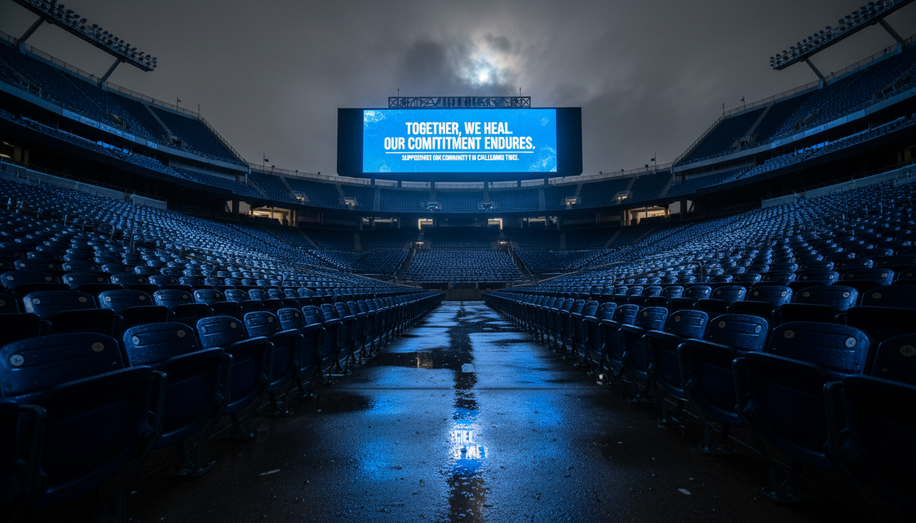

In the high-stakes world of out-of-home (OOH) advertising, where messages command public attention on billboards, transit hubs, and urban screens, crises demand a swift pivot from promotion to protection. Brands facing scandals, supply disruptions, or global upheavals can leverage OOH’s ubiquity to deliver honest, visible responses that rebuild trust and steer narratives. Effective crisis communication through OOH hinges on preparation, timeliness, and integration with broader strategies, turning potential reputational disasters into opportunities for resilience.
Preparation forms the bedrock of any successful OOH crisis response. Forward-thinking brands develop comprehensive plans well before trouble strikes, mapping scenarios like product recalls, executive misconduct, or natural disasters that could halt campaigns or tarnish images. These plans outline stakeholder roles, designate a single spokesperson to ensure message consistency, and incorporate OOH as a core channel for rapid dissemination. For instance, identifying potential threats—such as a data breach or supply chain failure—allows teams to pre-design simple, jargon-free visuals ready for deployment on digital billboards, which can update in real-time across cities. Small businesses, often resource-strapped, neglect this at their peril; experts emphasize simulating crises to refine responses, ensuring OOH assets align with internal briefings and legal counsel to avoid missteps that amplify damage.
Timing is everything in crisis communication, encapsulated by the “15-20-60-90” rule: acknowledge the issue within 15 minutes, provide basics by 20, details by 60, and full engagement by 90. OOH excels here, offering immediate visibility without digital gatekeepers. During the 2020 pandemic, airlines like Delta blanketed airports and highways with boards assuring safety protocols—masks required, enhanced cleaning—reaching commuters before social media rumors could spiral. This transparency, admitting known facts and gaps alike, fosters credibility; withholding information invites suspicion. Digital OOH networks amplify this, enabling geo-targeted updates: a food brand hit by contamination could refresh screens near stores with recall instructions, directing consumers to safe alternatives while expressing empathy for affected families.
Clarity and accessibility define OOH’s strength in crises. Messages must cut through chaos with bold, simple language and visuals—large fonts, high-contrast colors, minimal text. Avoid corporate speak; instead, lead with empathy: “We’re sorry for the disruption. Here’s what we’re doing.” A single spokesperson’s face on screens humanizes the brand, preventing fragmented narratives from multiple voices. Johnson & Johnson’s 1982 Tylenol recall exemplified this pre-OOH digital era principle, but modern equivalents use transit ads to echo a CEO’s sincere apology, reinforcing unity across TV, social, and print. Multi-channel synergy is key: OOH drives traffic to websites or apps for deeper info, while monitoring public feedback via social listening tools allows real-time tweaks, like swapping messages to counter misinformation.
Building and sustaining trust extends beyond the crisis. Brands that nurture relationships through consistent, empathetic everyday OOH—community shoutouts, transparent sustainability pledges—earn goodwill banks to draw upon. During the SolarWinds cyberattack, affected firms used visible public assurances to calm partners, a tactic OOH replicates on a mass scale. Post-crisis, recovery campaigns shift to action-oriented narratives: “We’ve listened, improved, and are stronger.” A beverage giant facing a contamination scare followed initial apologies with OOH touting new quality controls and donations to food banks, reclaiming space from critics and signaling accountability.
Internal alignment cannot be overlooked. Employees, often the first to field questions, must feel informed and valued; brief them via OOH in workplaces or commutes, empowering them as brand advocates. “Your safety is our priority” on office tower screens reassures staff while projecting resolve outward. Delegating to a crisis team, with legal vetting, minimizes errors—consultants stress this to sidestep litigation pitfalls.
Real-world triumphs underscore OOH’s recovery power. After a 2023 airline meltdown, one carrier blanketed routes with “We’re back, better” boards featuring pilot testimonials, blending apology with proof of fixes like crew boosts. Metrics showed trust scores rebounding 25% faster than peers relying solely on digital. Conversely, laggards like a fashion brand ignoring a labor scandal saw boycotts fester as untapped OOH space filled with rival ads.
Yet challenges persist. Static OOH lacks interactivity, so pair it with QR codes for feedback loops. Budget strains during downturns tempt cuts, but skimping risks irrelevance. In 2025’s volatile landscape—rising cyber threats, climate shocks—agile agencies now embed AI-driven OOH monitoring, predicting sentiment shifts for proactive swaps.
Ultimately, OOH transforms crisis communication from defensive scramble to strategic leadership. By embracing honesty, speed, and empathy across unmissable public spaces, brands not only mitigate harm but emerge fortified, their reputations etched in the urban skyline as beacons of reliability. Proactive planning ensures the next billboard isn’t a flashpoint, but a bridge to renewed loyalty.