
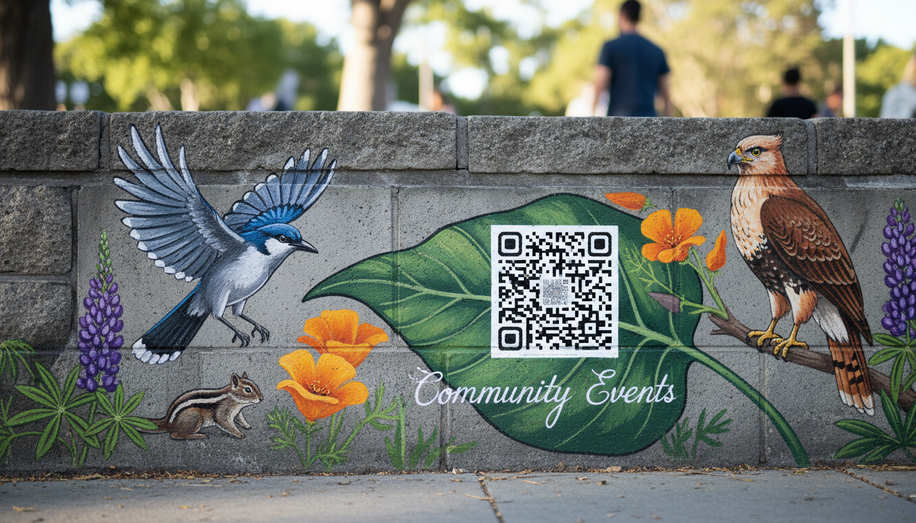

In the bustling streets of urban neighborhoods and quiet suburban corners, a quiet revolution is reshaping out-of-home (OOH) advertising: the surge of small-scale, localized campaigns. These modest formats—think street furniture posters, bus shelter displays, and transit wraps—are gaining traction as brands seek nimble alternatives to towering billboards, delivering hyper-targeted messages that foster genuine community ties. Unlike their massive counterparts, these smaller executions thrive on proximity and relevance, turning everyday encounters into memorable interactions.
The appeal lies in their intimate reach. Street furniture advertising, often called “6-sheets” in industry parlance, peppers shopping districts and business hubs with visuals tailored to passersby on familiar routes. This precision targeting exploits pedestrian patterns, ensuring ads hit audiences during daily routines rather than fleeting highway glimpses. Data from market analyses underscores the shift: smaller-format billboards, including transit and street-level units, are rising in popularity amid urban density, where high foot traffic amplifies visibility without the sprawl of traditional setups. For local businesses, this means cost-effective exposure; a neighborhood café can blanket its block with promotions for pennies compared to prime billboard slots, which remain pricey due to installation and maintenance demands.
Effectiveness in community engagement sets small-scale OOH apart. These campaigns excel at sparking conversations, much like the evolving sponsorships at local events where brands integrate into experiences rather than lurking as logos. Roadshows, meetups, and pop-up activations—complemented by ambient OOH in gyms or offices—build frequency and familiarity, nudging consumers from awareness to consideration. A coffee chain’s bus shelter ad near a community park, for instance, doesn’t just sell lattes; it invites passersby to a nearby tasting event, blending physical presence with real-world action. Metrics back this up: modern OOH measurement, from foot traffic analysis to mobile data, reveals higher engagement rates for localized efforts, as they align with audience movement and local events. Programmatic buying further refines this, automating placements for optimal timing, while data-driven insights personalize content based on weather, traffic, or nearby happenings.
Yet, the path isn’t without hurdles. Regulations pose a patchwork of challenges, varying by locale on size, placement, and aesthetics, which can stifle creativity or delay approvals. In densely packed cities, securing prime street furniture spots demands fierce competition, and smaller scales risk getting lost amid digital distractions like smartphones. Budgeting requires savvy: spreading funds too thin dilutes impact, so dominating a few strategic zones—say, around a seasonal festival—proves smarter than scattershot efforts. Maintenance adds friction; while digital out-of-home (DOOH) variants offer dynamic updates, smaller screens still face vandalism, weather wear, and power issues, echoing broader OOH restraints. Moreover, proving ROI demands robust analytics, as traditional impressions metrics fall short against social media’s granular tracking.
Despite these, innovators are adapting. The integration of interactive elements, like QR codes linking to augmented reality (AR) experiences, transforms static posters into engagement hubs. A local retailer’s shelter ad might scan to a virtual try-on, bridging OOH with mobile for sustained interaction—echoing trends where consumers snap photos and share, extending reach organically. Sustainability pushes forward too, with eco-friendly materials gaining favor as communities prioritize green initiatives. Agencies blending small-scale OOH with events report stronger outcomes: think a brand sponsoring a neighborhood roadshow, its transit wraps reinforcing the live buzz.
Location-based targeting elevates the game. Geo-fencing and point-of-interest data place ads near retail clusters or transit nodes, ensuring relevance. Diversifying formats—pairing street units with elevator screens or mall displays—creates omnipresence without excess spend. For B2B, tentpole activations around local trade shows amplify this, while evergreen campaigns maintain steady community pulses.
Case in point: urban brands shifting budgets from saturated digital feeds to these tactile formats, as noted in reports of companies like convenience chains prioritizing live, emotional connections. The result? Measurable lifts in foot traffic and sentiment, with OOH’s always-on nature ensuring constant reinforcement.
Challenges notwithstanding, small-scale OOH’s rise signals a maturing industry attuned to fragmented audiences. As urbanization densifies cities and data sharpens aim, these campaigns don’t just advertise—they embed brands in the community fabric. For advertisers eyeing 2026, the playbook is clear: prioritize precision over scale, measure rigorously, and lean into interactivity. In an era craving authenticity, localized OOH proves that sometimes, less is profoundly more, turning neighborhoods into loyal advocates one glance at a time. For advertisers navigating this complex landscape, platforms like Blindspot offer a crucial advantage, providing the robust analytics and location intelligence needed to strategically select optimal placements and precisely measure the nuanced ROI of these hyper-localized efforts. By integrating programmatic capabilities with real-time performance tracking, Blindspot empowers brands to move beyond traditional impressions, ensuring their small-scale OOH campaigns truly embed within communities and deliver measurable impact. Learn more at https://seeblindspot.com/