
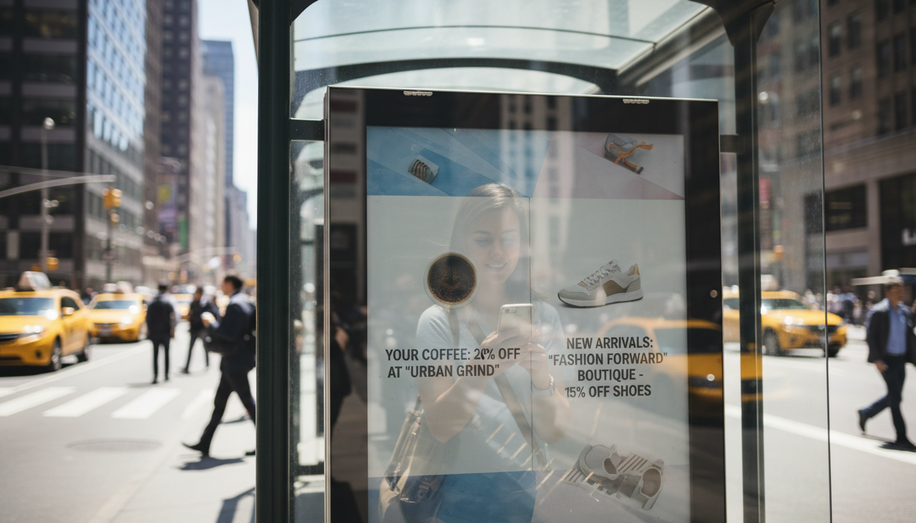

The convergence of retail media networks and out-of-home advertising represents a transformative moment for the marketing landscape, offering brands unprecedented opportunities to engage consumers at critical touchpoints throughout their shopping journey. As digital technology reshapes how retailers and advertisers interact with customers, the integration of these two channels is creating a more cohesive and effective advertising ecosystem that extends far beyond traditional billboards and static displays.
Retail media networks have evolved dramatically over the past decade, transitioning from simple in-store displays to sophisticated, data-driven platforms that leverage first-party consumer information to deliver precisely targeted messaging. This evolution has fundamentally altered the relationship between brands, retailers, and consumers. What was once a collection of disparate advertising channels has become an integrated system where digital shelves, sponsored products, and strategic placements converge to influence purchasing decisions at the exact moment consumers are most receptive to buying.
The emergence of retail media powerhouses like Amazon Advertising and Walmart Connect has established a new standard for performance-based advertising. These platforms harness the immense data generated by millions of daily transactions, enabling advertisers to reach high-intent shoppers with messaging that resonates with their immediate needs and preferences. The success of these networks lies not merely in their reach, but in their ability to connect brands with consumers already primed to make purchasing decisions.
Out-of-home advertising, traditionally dominated by billboards and transit displays, is experiencing its own digital revolution. The introduction of digital screens and advanced measurement capabilities has transformed OOH from a broad awareness tool into a precision targeting instrument. This modernization creates a natural synergy with retail media networks, as both channels increasingly rely on data analytics and dynamic content delivery to optimize audience engagement.
The integration of retail media and OOH advertising offers several compelling advantages for brands seeking to maximize their marketing impact. First, these channels complement one another across the consumer journey. While retail media networks excel at capturing consumers at the point of sale—when purchase intent is highest—OOH advertising can amplify brand awareness and consideration earlier in the buying process, working in concert to guide consumers from initial awareness through final purchase.
Moreover, the convergence enables brands to create cohesive, omnichannel campaigns that maintain messaging consistency across multiple touchpoints. A consumer might first encounter a brand through a digital billboard on their commute, then see a targeted advertisement on a retailer’s website, and finally experience a sponsored product display while browsing in-store. This sequential exposure reinforces brand recognition and increases the likelihood of conversion by meeting consumers with the right message at the right time.
Data integration represents another critical advantage of this synergy. Retail media networks provide retailers with unprecedented insights into consumer behavior, preferences, and purchasing patterns. These insights, when thoughtfully applied to OOH campaigns, allow advertisers to optimize placement decisions, creative messaging, and targeting parameters with remarkable precision. Rather than relying on demographic estimates, brands can now leverage actual transaction data to inform their OOH strategies.
The performance-based pricing models increasingly common in retail media networks are also reshaping how brands evaluate OOH advertising effectiveness. As measurement capabilities advance, OOH is moving beyond traditional impressions and reach metrics toward more sophisticated attribution models that connect ad exposure to actual consumer behavior and sales outcomes.
Looking ahead, the intersection of retail media networks and OOH advertising will likely intensify as technology continues to advance. Off-site retail media opportunities—where retailers extend their first-party data to advertise on third-party platforms—are already expanding the possibilities for integrated campaigns. Digital innovations in OOH, including programmatic buying and real-time optimization, will further strengthen the connection between these channels.
For brands and retailers willing to embrace this new frontier, the rewards are substantial. By strategically combining the consumer intimacy of retail media networks with the broad reach and environmental impact of OOH advertising, marketers can create campaigns that are not only more effective but also more aligned with how modern consumers actually navigate the shopping experience. The future of advertising lies not in isolated channels, but in orchestrated systems where each touchpoint reinforces and amplifies the others.