
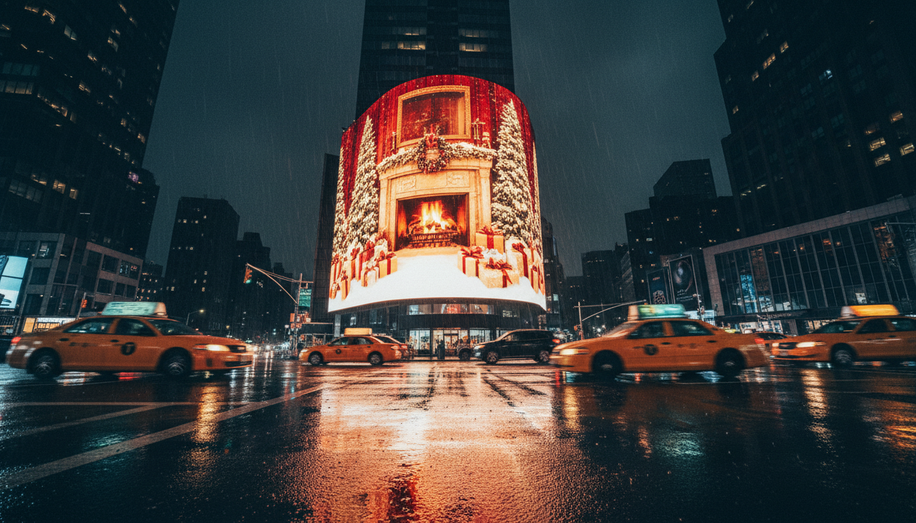

Out-of-home advertising has long been a staple of brand communication, but the most effective campaigns are those that align with the rhythms of consumers’ lives. Seasonal campaigns represent a unique opportunity for brands to connect with audiences at moments when they’re most receptive to specific messages—when the weather shifts, holidays approach, or cultural moments capture collective attention.
The power of seasonal OOH advertising lies in its ability to merge timing with relevance. When brands synchronize their outdoor messaging with consumer behavior and environmental conditions, they create a sense of inevitability rather than interruption. This isn’t merely about placing ads during certain months; it’s about understanding what audiences need, want, and think about during specific periods of the year.
Weather-triggered campaigns exemplify this principle in action. Rain-X demonstrated exceptional strategic thinking by programming digital billboards to activate when precipitation fell, ensuring their messages appeared precisely when drivers most needed windshield protection. Similarly, Guinness positioned itself as the quintessential winter beer in Australia by using real-time temperature triggers that displayed ads only when conditions dropped to chilly levels, placing creative messaging near pubs at the exact moment consumers craved warmth and comfort. Aperol took this approach further, activating weather-triggered ads only when temperatures exceeded 66°F, strategically positioning their spritzers as the perfect summer indulgence. These campaigns transcend traditional scheduling by embedding intelligence into placement strategy itself.
Seasonal products and trends offer another avenue for impactful outdoor advertising. Ecommerce businesses and retailers have long capitalized on predictable seasonal shifts—winter clothing during holiday seasons, Easter promotions featuring pastel colors, and outdoor gear marketing as spring approaches. The key lies in recognizing that consumers aren’t simply shopping by calendar; they’re transitioning their lifestyles. Memorial Day campaigns, for instance, can target consumers gathering at parks, traveling road trips, or attending parades by positioning ads near these high-intent environments. Brands that align their creative messaging with these behavioral shifts create natural resonance with audiences in motion.
Creative execution becomes especially powerful when it captures the spirit of a season or moment. McDonald’s invented functional shade structures at bus stops featuring vertical blinds that closed when motion sensors detected people seeking shelter—revealing summer specials precisely when consumers were most receptive. The Walking Dead’s promotion created a visceral Halloween moment by placing zombie figures beneath sidewalk grates, transforming unsuspecting passersby into participants in a cultural phenomenon. Disney’s 4D Percy Jackson billboard literally splashed water during scenes with aquatic elements, creating immersive experiences that transcended typical digital displays. These campaigns work because they don’t simply advertise during seasons—they become part of the seasonal experience itself.
Seasonal campaigns also allow brands to serve dual purposes through design innovation. IBM’s outdoor structures functioned simultaneously as rain shelters and benches while delivering advertising, transforming billboards from visual clutter into genuinely useful urban infrastructure. Netflix’s GIF billboards adapted their messaging within hours to reflect trending topics and breaking news, creating a constant sense of cultural relevance and immediacy. This demonstrates how seasonal thinking encourages brands to consider not just when to advertise, but how outdoor spaces can be repurposed to enhance both utility and message delivery.
The integration of digital technology has amplified seasonal campaign effectiveness. Programmatic activation allows real-time adjustments based on weather, time of day, foot traffic patterns, and local events. Environmental factors once considered obstacles are now leverage points. Brands can serve highly specific messages to audiences experiencing precise conditions—whether that’s the moment rain begins or temperatures signal seasonal transition.
For advertisers planning seasonal campaigns, success requires understanding that timing alone is insufficient. The most resonant campaigns combine strategic placement with contextual relevance, creative execution that captures seasonal spirit, and often technological sophistication that personalizes the experience. When brands recognize that outdoor advertising can become part of the seasonal rhythm rather than interrupting it, they create moments that audiences remember long after the season passes. In an increasingly fragmented media landscape, these timely, contextually relevant OOH moments remain irreplaceably powerful.