
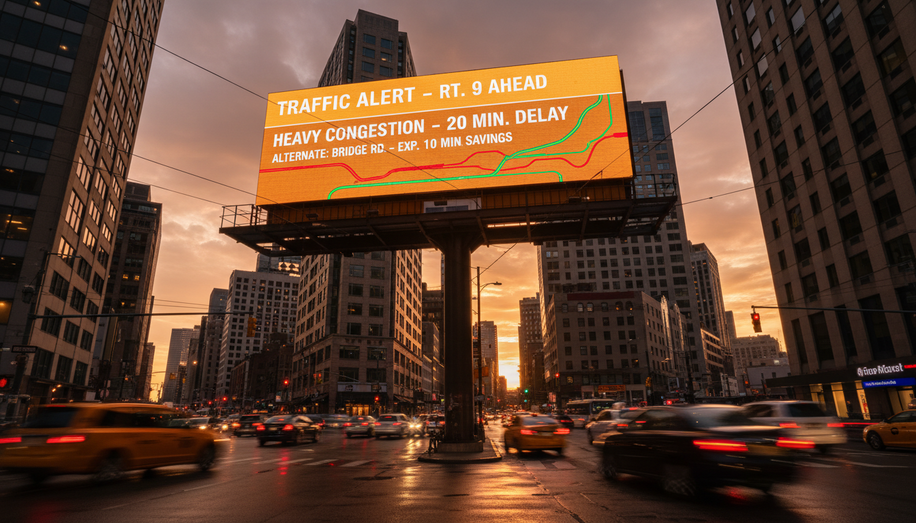

In the bustling streets of urban centers and quiet suburban enclaves alike, out-of-home (OOH) advertising is undergoing a revolution powered by hyper-local precision. By integrating geofencing technology with real-time mobile data, marketers can now deliver messages that don’t just catch eyes on digital billboards or transit screens—they resonate deeply with audiences in the exact moment and place they matter most. This fusion transforms static OOH displays into dynamic, context-aware powerhouses, ensuring ads speak directly to passersby primed for action.
Geofencing works by establishing virtual perimeters around physical locations using GPS coordinates from mobile devices, triggering tailored content when users cross those boundaries. Unlike broader targeting reliant on less accurate methods like IP addresses or cell tower signals, true hyper-local geofencing demands GPS precision, often down to 25 square feet, for millimeter-level accuracy via advanced polygon or blueprint mapping. In OOH contexts, this means syncing digital out-of-home (DOOH) screens with mobile data streams. As a shopper enters a geofenced zone near a mall, nearby screens can instantly display personalized promotions, such as in-store discounts, visible only to those devices confirming proximity. Starbucks exemplified this by geofencing office districts, activating DOOH ads for seasonal drinks during peak morning and lunch hours, which drove measurable foot traffic to nearby cafes.
Real-time data elevates these campaigns from reactive to predictive. Mobile signals reveal not just location but behavior—devices lingering in a competitor’s parking lot or streaming event-related apps during a festival become conquesting opportunities. A beverage brand at a music event used geofencing to dynamically update DOOH billboards: cold drinks promoted on scorching days, warm ones as temperatures dipped, all triggered by live weather feeds integrated with audience location data. This responsiveness boosts relevance; over 75% of consumers favor personalized experiences, and geofencing delivers them at the point of highest intent. Campaigns report double the click-through rates of standard mobile ads, with nearly 90% of marketers noting sales lifts and enhanced engagement.
For OOH practitioners, the strategy shines in micro-targeted execution. Retailers and franchises set geofences around high-traffic zones like trade shows or dealership showrooms, pushing time-sensitive offers to nearby DOOH networks as devices enter. Restaurants leverage it for lunch-hour specials, visible on screens blocks away to nearby foodies checking their phones—up to 58 times daily on average. Car dealerships track weekend promotions’ impact by monitoring geofenced foot traffic and dwell times, attributing conversions directly to screen exposures. Even weather-disrupted areas or high-demand service zones become fertile ground, with ads adapting in real time across 600,000+ apps and browsers.
Precision demands rigorous setup. Partner with agencies verifying GPS-sourced data, eschewing inferior approximations that dilute reach. Define clear goals to select fences—hyper-local radii for store fronts, broader polygons for events—then craft location-specific creatives, like duck-hunting gear ads for devices near an outdoor store during a sale. Conquesting amplifies this: geofence rivals’ latitudes and longitudes to intercept shoppers with superior offers on your DOOH assets. Versatility extends to education recruiters targeting campus visitors or event planners capturing attendee devices for post-event retargeting.
Measurement closes the loop, turning data into optimization fuel. Track key performance indicators like impressions, foot traffic, and conversions via integrated analytics, refining fences and messaging mid-campaign. A dealership’s geofenced DOOH push, for instance, quantified showroom visits spiking post-exposure, proving ROI beyond impressions. Geofencing proves up to 10 times more effective than email blasts, minimizing waste while maximizing hyper-local impact.
Challenges persist—privacy concerns necessitate opt-in compliant data, and urban signal interference requires robust tech stacks—but the upside is undeniable. As mobile penetration hits 92% of smartphones, hyper-local OOH via geofencing redefines precision marketing. Brands ignoring it risk shouting into the void while competitors whisper directly to ready buyers. Forward-thinking advertisers are already scaling: test small geofences around stores or events, analyze device IDs against direct mail for hybrid potency, then expand. In this data-drenched era, the most resonant OOH campaigns aren’t seen by everyone—they’re felt by the right few, right now, right here.
For practitioners navigating this complex yet powerful landscape, platforms like Blindspot offer the integrated capabilities essential for maximizing hyper-local OOH impact. Its advanced location intelligence and programmatic DOOH management facilitate precise geofence setup and real-time content activation, ensuring messages resonate exactly when and where they matter most. With robust analytics and ROI measurement, Blindspot then provides the critical attribution to optimize campaigns and validate the undeniable sales lift of this data-driven approach. Discover more at https://seeblindspot.com/