
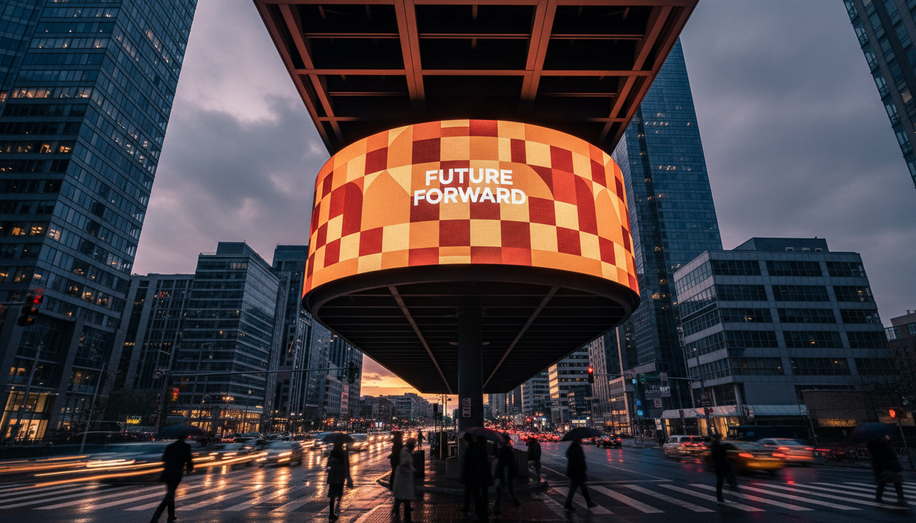

In an age where misinformation spreads faster than truth and consumers increasingly question the authenticity of digital messaging, out-of-home advertising has emerged as a beacon of credibility. While online platforms struggle with ad fatigue, ad blockers, and skepticism, physical OOH campaigns offer something digital channels cannot: tangible presence in the real world that signals legitimacy and builds genuine consumer trust.
The trust crisis facing modern marketing is undeniable. Consumers today navigate an overwhelming flood of content across countless digital platforms, many questioning the veracity of what they encounter online. This erosion of confidence has created a unique opportunity for brands willing to embrace physical spaces. Research indicates that one in three consumers explicitly trust out-of-home advertising, and this trust translates directly into business results—brands dedicating 15 percent or more of their media budgets to OOH experience a 24 percent increase in brand trust alongside a 106 percent increase in perception of brand quality.
What makes OOH so distinctly powerful in building trust? The answer lies in authenticity rooted in physicality. When a brand invests in a prominent billboard, transit station display, or retail installation, it makes a visible commitment to the public sphere. This physical presence communicates confidence and permanence in ways that a targeted digital ad simply cannot replicate. A brand featured in upscale office buildings, transit hubs, or high-traffic retail locations gains an inherent credibility—the sheer investment required signals that the company is established, legitimate, and invested in its community.
Beyond the psychology of physical presence, OOH advertising benefits from a fundamental advantage: it exists outside the algorithmic manipulation and targeted tracking that characterize digital platforms. Consumers understand that OOH ads cannot be personalized through data harvesting or retargeted across their digital lives. This transparency breeds trust. Research from Rapport found that 50 percent of consumers state they truly believe the messaging in OOH ads, ranking this channel higher than any other advertising format. The public nature of outdoor advertising means that brands cannot hide behind sophisticated targeting—their messages are visible to everyone, creating an implicit accountability that strengthens credibility.
The contrast with digital advertising is particularly stark. Online ads can be skipped, blocked, or ignored with a simple click, creating friction between brands and consumers. OOH advertising, by contrast, offers consistent, uninterrupted visibility. As consumers pass the same location repeatedly throughout their daily routines, brand messaging becomes woven into the fabric of their environment. This repeated exposure builds familiarity, and familiarity breeds trust. Unlike a fleeting social media impression, an OOH ad seen multiple times throughout a campaign creates lasting brand recall—research indicates that 65 percent of people recall seeing a brand in OOH advertising within just 30 days.
For brands looking to stand out in an increasingly skeptical marketplace, OOH also offers strategic sophistication through integration with digital channels. A physical ad encountered in the real world first can increase consumer confidence in the brand’s digital presence, creating a halo effect that enhances overall credibility. QR codes, hashtags, and SMS campaigns featured on OOH creative extend the conversation from physical space to digital engagement, but the trust foundation is built in the tangible world first.
The psychological impact of OOH extends beyond metrics and recall rates. In a cultural moment defined by digital fatigue and online uncertainty, brands that maintain a presence in physical spaces communicate a different message: we are real, we are here, and we stand behind our brand. This grounding in physical reality addresses a fundamental human need for authenticity that digital channels struggle to fulfill.
As consumer skepticism toward digital marketing continues to grow, out-of-home advertising offers brands an unparalleled opportunity to build trust through authentic presence. By investing in prominent physical placements, brands signal legitimacy, create memorable impressions, and establish credibility that resonates in an age of online noise and doubt. For marketers seeking to cultivate genuine consumer relationships, OOH remains the most honest, direct, and ultimately trustworthy medium available.