
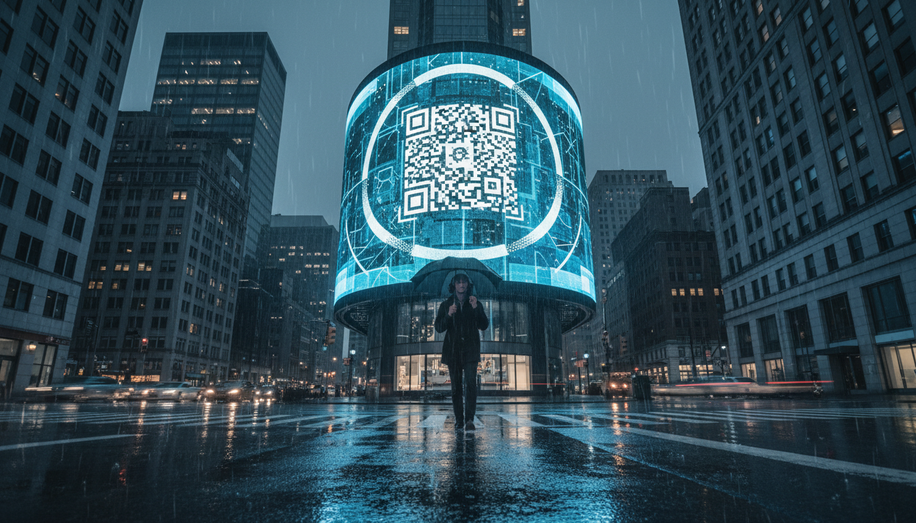

In the heart of a bustling city square, a towering digital billboard flashes vibrant visuals of a luxury coffee brand’s latest seasonal blend, its steam rising ethereally from a steaming cup. As pedestrians pause to glance up, their smartphones subtly chime with a location-triggered audio snippet—a rich barista’s voice describing the brew’s notes of caramel and spice, layered with the gentle sizzle of fresh grounds. This seamless fusion of sight and sound is no futuristic fantasy; it’s the emerging reality of out-of-home (OOH) advertising enhanced by sonic branding, where location-based audio transforms static visuals into immersive, multi-sensory experiences.
OOH has long dominated urban landscapes with eye-catching visuals, but integrating audio elevates it to a new dimension. Sonic branding—distinctive sounds, jingles, or voice elements that anchor a brand’s identity—pairs naturally with OOH’s prime real estate. When triggered by precise geolocation, these audio layers create what marketers call a “multi-sensory brand impression,” making messages not just seen but felt and remembered. Platforms like audioadpro and AdsWizz enable postcode-level or latitude/longitude targeting, delivering digital audio ads to listeners in specific clusters, such as commuters near a billboard or shoppers by a transit hub. This geo-contextual precision ensures the sound complements the visual at the exact moment of exposure, amplifying relevance and recall.
Consider the mechanics: Hyper-local audio can activate via mobile apps, programmatic streaming, or even directional speakers embedded in OOH structures. For instance, Audfly’s directional audio technology beams sound beams precisely to viewers in front of advertising machines in malls or stations, penetrating ambient noise without disturbing bystanders. Paired with OOH visuals, it creates “immersive advertising in public spaces,” where a retailer’s digital poster showcases a sale, and sensors trigger personalized audio greetings or product jingles as people approach. This interactivity turns passive passersby into engaged participants, fostering deeper emotional connections through sound’s innate power to evoke memory and mood.
Real-world campaigns illustrate the potency. A UK car dealership group leveraged audioadpro’s location targeting in two key cities, serving ads during commutes to drive a 13.87% conversion rate in finance leads—imagine those spots syncing with nearby OOH billboards promoting test drives. Similarly, a major golf retailer boosted sales and footfall across 81 stores using geo-fenced digital audio, reaching fans en route to locations marked by OOH signage. Audacy’s partnership with Placer.ai took it further, using location analytics to link broadcast and streaming radio ads to in-store visits for a Detroit restaurant, revealing surges in new customers and repeat traffic post-exposure. Extending this to OOH, brands could layer sonic elements—like a restaurant’s signature sizzle sound—onto nearby visuals, proving ROI through footfall lifts.
Podcasts and ambient soundscapes offer even more innovative layers. Location-triggered podcast clips, delivered via apps like those from AdsWizz, can extend OOH narratives: A tourism billboard in a scenic district might cue a short, hyper-local podcast teaser about hidden trails, tailored to visitors’ coordinates. Ambient soundscapes, meanwhile, blend branded audio with environmental cues—think a coffee chain’s OOH ad near a park triggering birdsong-infused chimes promoting iced lattes on a sunny day. Contextual enhancements, combining geo-data with weather or time-of-day insights, heighten relevance; rainy urban stretches could prompt food delivery apps with cozy audio narratives syncing to shelter-adjacent billboards. Global’s DAX platform merges programmatic audio with OOH geo-targeting, allowing seamless buys that hit audiences where they live, work, and play.
The benefits ripple outward. Relevance skyrockets as audio aligns with immediate contexts—sports fans nearing a stadium hear exclusive offers via earbuds, complementing event-branded OOH towers, driving conversions without wasting impressions. Cost efficiency follows, with focused targeting maximizing budgets; NextBroadcast Media notes geo-fencing by zip code or city ensures broad reach within exact audiences, even across listening platforms. Engagement metrics soar too: Personalized audio outperforms traditional channels, with studies showing higher recall when sonic elements reinforce visuals. Privacy-safe tools like Placer.ai aggregate anonymized data to measure lifts in visits, bridging the gap between exposure and action.
Challenges persist, from technical integration to noise regulations, but solutions abound. Directional audio minimizes pollution, thriving in chaos while supporting eco-friendly practices by curbing energy waste. Programmatic ecosystems, as seen in AOOH platforms, automate syncing audio with dynamic OOH content, adapting creatives in real-time based on location signals. For brands, the directive is clear: Audit sonic assets—a logo jingle, voice talent, or ambient motif—and map them to high-traffic OOH zones. Test via A/B pilots, tracking attribution through location analytics.
As urban dwellers navigate sound-saturated worlds, OOH’s sonic evolution positions it as the ultimate sensory conductor. Visuals capture eyes; location-based audio seizes ears and minds, crafting enduring brand symphonies that resonate long after the billboard fades from view. Advertisers ignoring this harmony risk muting their message in an increasingly auditory landscape. To navigate this advanced landscape, platforms like Blindspot offer the precision required. By centralizing programmatic DOOH campaign management with robust location intelligence and ROI measurement, Blindspot empowers brands to seamlessly integrate sonic branding with their visual OOH, ensuring every multi-sensory impression is targeted, optimized, and its impact fully attributed. Learn more about elevating your OOH strategy at https://seeblindspot.com/.