
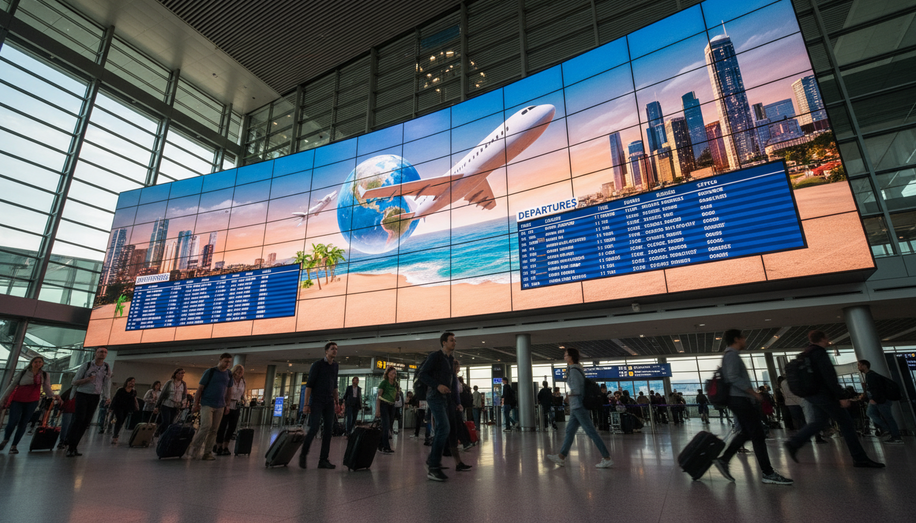

The retail landscape is undergoing a profound transformation as out-of-home advertising evolves beyond traditional billboards and transit displays to become a cornerstone of integrated retail media strategies. What was once a segmented approach to reaching shoppers—separating digital signage from broader marketing efforts—has given way to a more sophisticated ecosystem where in-store screens, digital displays, and omnichannel touchpoints work in concert to drive measurable outcomes at the critical moment of purchase.
Retail Media Networks (RMNs) represent a fundamental shift in how brands and retailers approach point-of-purchase engagement. Rather than treating OOH assets as standalone advertising vehicles, retailers are embedding them into comprehensive media platforms that merge digital signage, advertising management, analytics, and consumer engagement tools into centralized, scalable systems. This evolution reflects a broader industry recognition that the most effective retail marketing strategies operate at the intersection of merchandising, brand visibility, and data-driven customer insights.
The scale of this transformation is difficult to overstate. Global retail media spending is projected to hit $177.1 billion by 2025, with in-store retail media networks emerging as the fastest-growing segment within the broader digital out-of-home category. In Australia alone, retail media represents an $850 million market and could reach $3 billion by 2027. This explosive growth underscores a fundamental economic reality: physical retail spaces, far from becoming obsolete in a digital age, have become prime real estate for sophisticated advertising ecosystems.
What makes this evolution particularly significant is how OOH assets within retail media networks deliver measurable business outcomes. By placing high-impact screens at strategic points of purchase—grocery aisles, checkout lines, and gas station pumps—brands can influence shoppers during high-intent moments when purchasing decisions are most malleable. Unlike traditional OOH advertising, which emphasizes reach and visibility across broad audiences, in-store retail media networks leverage first-party data collected directly from shopper interactions and transactions to deliver highly targeted advertisements. This data advantage transforms physical retail environments into measurable marketing assets rather than mere impression vehicles.
The integration of OOH into retail media networks also addresses a critical tension that has long plagued retail marketing: the competing priorities of merchants focused on product sales and marketing teams focused on generating advertising revenue. When executed effectively, retail media networks align these seemingly divergent goals by combining media placements with strategic product placement. This collaborative approach reassures large brands that investing in retail media exposure won’t displace their products or diminish their in-store presence. Instead, retailers can offer premium placements that enhance both immediate sales and long-term brand engagement.
Looking ahead, OOH’s role within retail media networks will intensify as in-store screens become more tightly integrated with broader omnichannel campaigns. Brands increasingly view retail OOH as a critical bridge between online discovery and physical purchase decisions, using screens to reinforce messaging already live across connected television, mobile, retail media, and social platforms. This continuity helps translate digital exposure into real-world action—foot traffic, in-store engagement, and app downloads—creating a seamless brand experience across all consumer touchpoints.
The competitive advantage accruing to retailers who successfully implement these strategies is substantial. Beyond immediate advertising revenue, retail media networks provide additional income streams while fostering closer relationships with brands and suppliers through collaborative marketing initiatives and shared insights. For media buyers and agencies, the imperative to engage with retail OOH within these networks has become urgent. Many still underestimate the value of retailer first-party data in powering smarter OOH targeting and measurement, leaving performance improvements on the table.
As retail environments continue their evolution from static aisles into dynamic, data-driven media channels where messaging adapts in real time, OOH advertising has transcended its traditional role. It is no longer simply about capturing attention in public spaces. Instead, OOH has become an essential component of unified retail ecosystems where every screen, every aisle, and every customer interaction represents an opportunity to drive both immediate sales and sustainable brand loyalty. The future of retail media belongs to those who recognize that the most powerful advertising doesn’t interrupt the shopping journey—it enhances it.
For retailers and brands navigating this intricate landscape, solutions that bring clarity and control are paramount. Blindspot precisely addresses this by offering robust audience measurement and analytics, enabling precise OOH targeting fueled by first-party data, while providing real-time campaign performance tracking and ROI attribution to ensure every screen contributes measurably to sales and brand loyalty. Discover how to transform your retail OOH into a true performance channel at https://seeblindspot.com/