
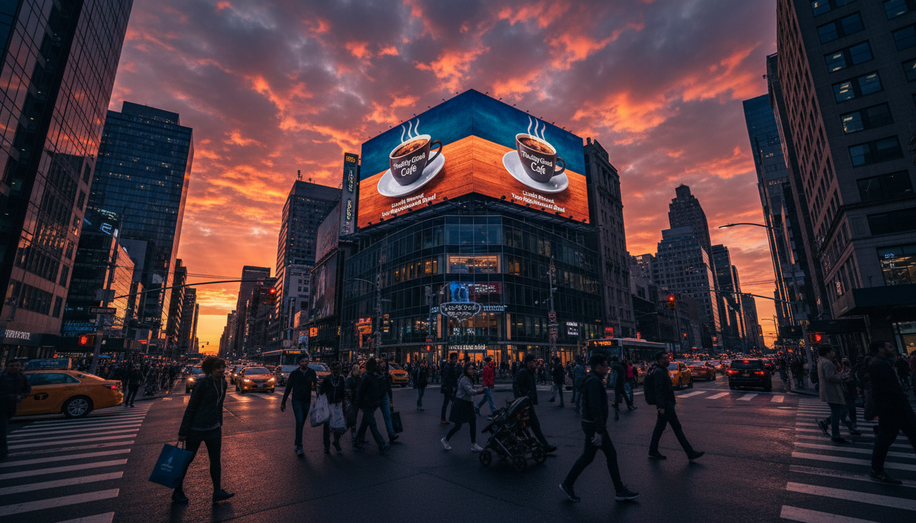

For small and medium-sized businesses (SMBs) long sidelined by the high costs and complexities of out-of-home (OOH) advertising, programmatic digital out-of-home (DOOH) is emerging as a game-changer, offering the flexibility and cost-efficiency needed to compete with bigger players in reaching local audiences. This automated approach to buying, selling, and delivering ads on digital screens in public spaces—think billboards, transit hubs, and retail displays—leverages machine learning, real-time bidding, and data insights to streamline campaigns without requiring massive budgets or lengthy negotiations. By accessing multiple media owners through a single platform, SMBs can launch targeted local campaigns swiftly, adjusting on the fly to maximize impact.
Traditionally, OOH demanded upfront commitments for fixed placements, often weeks or months in advance, locking in budgets and leaving little room for adaptation—a luxury few SMBs could afford. Programmatic DOOH flips this script with real-time bidding algorithms that automate planning, purchasing, and measurement, eliminating the need for manual haggling with agencies. Prices adjust dynamically based on demand, audience data, and performance, allowing owners of local coffee shops, boutiques, or service providers to bid precisely for screens in high-traffic neighborhoods without overcommitting funds. This efficiency translates to lower entry barriers: instead of hefty initial investments for prime spots, SMBs pay only for the engagement they target, reducing wasted spend and enabling precise budget allocation.
The true power for SMBs lies in its hyper-local targeting capabilities, which level the playing field against deep-pocketed national brands. Using anonymized mobile IDs, historical audience data, and machine learning, platforms identify specific demographics, behaviors, and movement patterns—such as frequent shoppers near a store or commuters during rush hour—without compromising privacy. For instance, a regional auto repair chain could trigger ads on nearby screens for “rainy day tire checks” only when weather data signals wet roads, or a gym might promote evening classes to fitness enthusiasts passing fitness-heavy zones after work. This context-driven precision—factoring in time of day, events, or local happenings—ensures messages resonate, shifting from broad “one-size-fits-all” blasts to tailored creatives that drive foot traffic.
Flexibility is another cornerstone, particularly valuable for SMBs navigating unpredictable local markets. Campaigns can launch in days, not weeks, with instant pauses, creative swaps, or reallocations—no site visits or rigid contracts required. If a promotion underperforms in one neighborhood, budget shifts seamlessly to higher-ROI screens elsewhere, all managed via a unified dashboard that consolidates data across media owners. This agility proved vital post-pandemic, when consumer habits shifted rapidly; programmatic models allowed real-time adjustments to external changes, like pausing amid lockdowns or ramping up for sudden events. For SMBs, this means testing small-scale pilots—say, a weekend pop-up event promo—then scaling winners without sunk costs.
Cost-efficiency extends beyond buying to ongoing optimization. Automated pacing ensures even delivery, preventing budget blowouts, while flexible pricing models let SMBs start small and scale as results roll in. Platforms prioritize screens overindexing for key segments, like soft drink buyers near convenience stores or travelers at transit points, maximizing every dollar. Interactive elements, such as QR codes on screens linking to promotions, further boost engagement without extra spend, turning passive views into trackable actions like store visits.
Measurement, once OOH’s Achilles’ heel, now rivals digital channels, empowering SMBs with actionable insights. Real-time analytics track impressions, audience demographics, engagement rates, and attribution metrics—like geo-fenced mobile data linking ad exposure to foot traffic or conversions—via in-screen sensors and device passbacks. Post-campaign reports reveal audience movements and patterns, refining future targeting without guesswork. This transparency aligns DOOH with omnichannel strategies, coordinating screen ads with social media or email for reinforced messaging and higher recall.
For SMBs eyeing programmatic DOOH, getting started is straightforward: select a platform offering local inventory, define audience criteria (demographics, location, triggers), set budgets via real-time bidding or guaranteed deals, and monitor via dashboards. Many integrate with existing programmatic tools, simplifying workflows for teams without media experts. Challenges like inventory availability in smaller markets persist, but growing adoption is expanding access.
Ultimately, programmatic DOOH democratizes OOH’s massive scale and awareness-building prowess, handing SMBs the tools to punch above their weight. By harnessing automation for precise, adaptable, local campaigns, these businesses can forge stronger community connections, drive real results, and thrive in competitive landscapes—proving that innovation, not budget size, defines advertising success. This democratization is further amplified by platforms like Blindspot, which empower SMBs to fully leverage programmatic DOOH. By offering real-time campaign performance tracking, precise audience measurement, and robust ROI attribution, Blindspot ensures businesses can execute highly targeted, flexible, and accountable campaigns, truly leveling the playing field. Discover how to optimize your local reach at https://seeblindspot.com/