
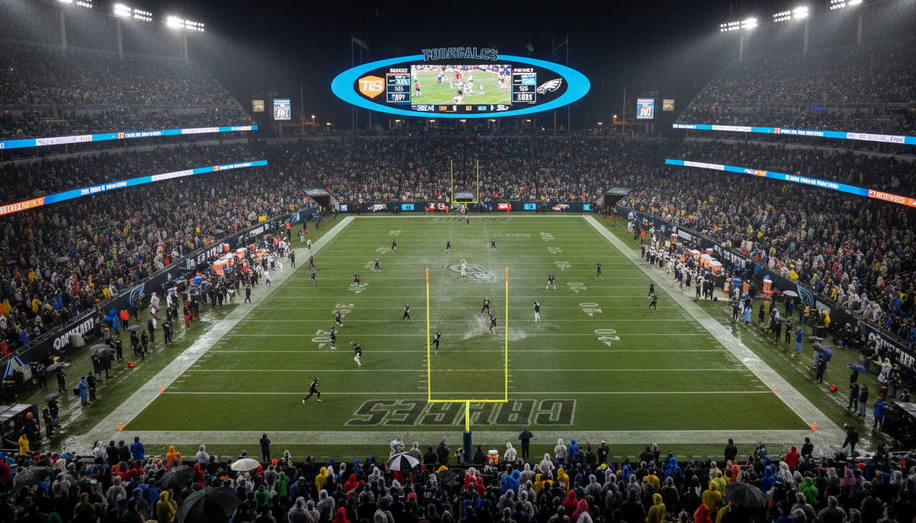

In the bustling arteries of urban life, digital billboards have evolved from static spectacles into dynamic storytellers, captivating passersby with messages that feel eerily personal. Brands are now harnessing live data feeds, seamless API integrations, and customizable templates to transform out-of-home (OOH) advertising into a real-time conversation, delivering content that resonates precisely when and where it matters most. This shift isn’t just technological wizardry; it’s a strategic imperative, boosting engagement, recall, and return on ad spend by making every glance count.
Consider a coffee chain’s mobile billboard cruising through a morning rush-hour gridlock. As sensors detect the time and local weather—perhaps a crisp dawn chill—it swaps generic branding for steaming lattes and breakfast pairings, pulling live temperature data via API from public weather services. By midday, under a blazing sun, the same screen pivots to iced refreshers, adapting visuals, copy, and calls-to-action on the fly. This isn’t pre-scheduled rotation; it’s powered by real-time data streams that analyze traffic patterns, commuter demographics, and even event calendars, ensuring the message aligns with the audience’s immediate context. Restaurants have taken similar cues, toggling between breakfast visuals at dawn, lunch specials at noon, and dinner temptations by evening, complete with mindset-matching imagery that evokes hunger at the right psychological moment.
At the heart of this capability lies API integrations, the invisible conduits breathing life into digital screens. These application programming interfaces connect billboards to vast ecosystems of data—product catalogs, inventory levels, social media trends, sports scores, or hyper-local events—updating content in seconds without human intervention. For instance, a sports apparel brand might integrate live game APIs during a major match like the Super Bowl, displaying real-time scores alongside targeted promotions for fan gear, shifting from sunny-day trail runners to rain-ready waterproofs if forecasts change. Platforms like those from Vistar enable dynamic creative optimization (DCO), where marketers feed in diverse data sources—weather, location, consumer behavior—and the system intelligently selects ad elements, from headlines to images, for maximum relevance.
Customizable templates amplify this power, serving as modular building blocks that brands can tweak programmatically. Rather than crafting dozens of static creatives, advertisers design responsive frameworks once: a single template that auto-adjusts text blocks, pricing, visuals, and CTAs based on incoming data. Picture a retailer’s digital billboard near a shopping district; it links to a dynamic data feed—say, an XML file or spreadsheet from their e-commerce backend—flagging low-stock items or flash sales. If a viewer’s inferred profile (via anonymized location or device signals) matches a recent browser who abandoned a cart, the screen might highlight that exact product with a geo-targeted discount for the nearby store. Tools like SizeIM exemplify this, generating pixel-perfect variations across formats while enforcing brand consistency through kits for colors, fonts, and assets.
Implementation demands careful orchestration. First, brands plan for flexibility with responsive designs that scale across billboard sizes and orientations, eliminating manual resizing. Next, they integrate reliable data feeds, mapping fields like promotions or availability to template slots via APIs. Personalization logic follows: rules-based engines trigger swaps based on conditions—time of day, weather thresholds, or audience segments—often enhanced by AI for predictive tweaks. Real-time testing is crucial; A/B multivariate trials run live, cross-referencing engagement metrics from sensors like Mobilytics to refine performance mid-campaign. Activation is seamless: upload the dynamic creative, link data sources, and let DCO optimize delivery, learning from impressions to prioritize high-engagement variants.
The results are compelling. AI-driven mobile billboards, for example, dynamically reroute for optimal exposure, targeting event crowds or high-traffic zones while personalizing for hyper-local nuances like neighborhood preferences. A running shoe campaign might promote outdoor gear on sunny days but pivot to indoor alternatives during downpours, drawing from meteorological APIs for natural relevance. Early adopters report heightened engagement; one study notes dynamic content lifts recall and action by tailoring to fleeting moments, turning passive viewers into prompted customers.
Challenges persist, of course. Data privacy regulations demand anonymized handling, and technical glitches in feeds can disrupt flows, underscoring the need for robust redundancies. Yet, as infrastructure matures—think deeper ties to smart city sensors or wearables—the potential explodes. Brands like those partnering with Movia Media are already event-triggering ads at festivals or games, blending OOH with digital ecosystems for omnichannel synergy.
Ultimately, this dynamic edge redefines OOH as proactive persuasion. By weaving live data, APIs, and templates into digital billboards, marketers don’t just advertise—they anticipate, adapt, and connect, forging loyalty in the split-second gaze of a distracted world. As 2026 unfolds, the screens that once shouted now whisper just for you, proving relevance remains advertising’s sharpest weapon.
Blindspot precisely addresses this orchestration challenge, offering programmatic DOOH campaign management that leverages real-time data feeds and audience analytics for dynamic content delivery. With robust performance tracking and ROI measurement, marketers can confidently refine strategies on the fly, proving the direct impact of their hyper-relevant OOH activations. https://seeblindspot.com/