
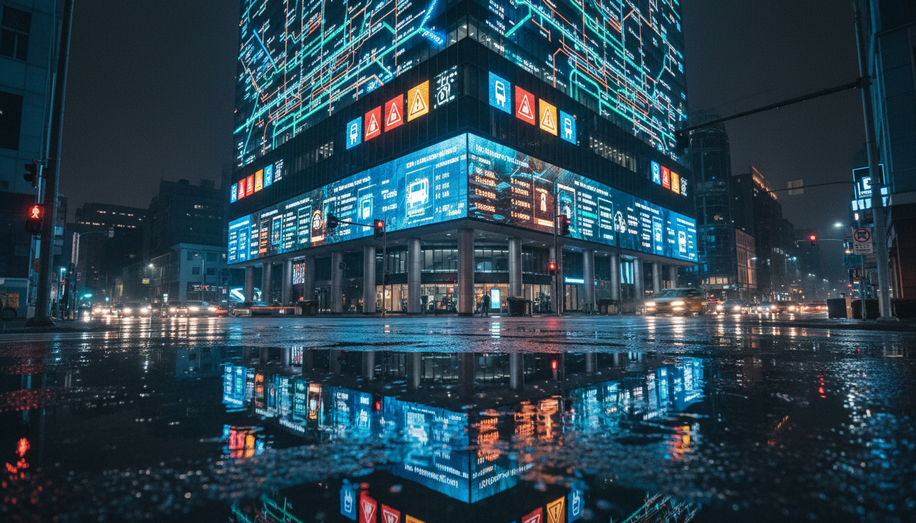

In the evolving architecture of smart cities, out-of-home (OOH) advertising is emerging not merely as a revenue stream but as a vital component of urban infrastructure, seamlessly weaving digital displays into the fabric of connectivity, data flow, and citizen services. These displays, powered by real-time sensors and Internet of Things (IoT) networks, transcend traditional billboards to deliver dynamic information that enhances daily life while amplifying brand messages. As municipalities worldwide invest in responsive urban environments, OOH’s integration promises a symbiotic evolution where advertising funds public utilities and urban tech reciprocates with unprecedented targeting precision.
Consider the core elements of this blueprint: people, processes, data, and things. OOH displays serve as the “things”—strategically placed nodes in high-traffic zones like transport hubs, shopping districts, and public squares—that collect and disseminate data to improve city operations. In cities like those pioneering DOOH (digital out-of-home) advancements, screens at bus stops sync with passenger flow sensors to display wait times, weather updates, or event alerts alongside tailored ads, reducing commuter frustration and boosting engagement. This dual functionality turns passive viewers into active participants; a screen might show a weather-responsive billboard promoting umbrellas during rain or bike-sharing promotions on sunny days, aligning commercial content with immediate civic needs.
The data harvested from these integrations is transformative. Modern OOH leverages location-based technologies, QR codes, and augmented reality to bridge physical and digital realms, capturing audience behavior for real-time campaign optimization. For instance, displays in grocery stores adapt promotions based on foot traffic or purchase patterns, flashing last-minute snack deals near relevant aisles. Advertisers gain granular insights into demographics and preferences, enabling personalized messaging that drives conversions without invasive tracking. Meanwhile, cities benefit from anonymized aggregates: traffic patterns inform urban planning, air quality data prompts health alerts, and energy usage from smart lighting schedules cuts municipal costs. GPS-coordinated controls ensure lights activate only at dawn or dusk, slashing emissions while maintaining ad visibility, a win for sustainability-focused green cities.
Multichannel synergy amplifies this potential. OOH no longer stands alone; programmatic DOOH platforms link screens to social media and mobile apps, creating omnichannel narratives that follow consumers from street to smartphone. A QR scan on a transit ad might trigger a personalized online offer, extending reach and measuring cross-platform impact. In smart city contexts, this fosters “street-smart” advertising, where dynamic content responds to live urban dynamics—rush-hour promotions for commuters or event-tied messages for crowds—maximizing relevance in diverse audiences from tech executives to local residents.
Strategic partnerships underpin this integration. Tech firms provide IoT expertise, governments offer infrastructure access and regulatory support, and advertisers inject creativity and funding. Collaborations yield innovations like interactive kiosks delivering wayfinding, entertainment, and utility info, generating revenue while enhancing public services. Municipalities increasingly view OOH beyond linearity, using displays for emergency broadcasts or sustainability campaigns promoting electric vehicle stations. A new industry study highlights how these alliances position OOH as a smart city enabler, with displays contributing to responsive ecosystems that prioritize community needs.
Challenges persist, including privacy concerns over data collection and the need for equitable access in underserved areas. Yet, the trajectory is clear: as smart cities proliferate—bolstered by real-time traffic management and public Wi-Fi—DOOH stands poised as a game-changer. Programmatic buying streamlines this, allowing instantaneous content swaps based on audience proximity or environmental triggers, linking OOH growth directly to urban tech expansion.
Ultimately, this blueprint redefines OOH from interruptive ads to integral urban assets. Brands achieve immersive experiences in prime locations, cities gain efficient infrastructure, and citizens receive value-added services—all fueled by data-driven harmony. As of 2026, with global urban centers accelerating digital transformations, OOH’s role in the smart city symphony is not just supportive; it’s symbiotically essential, paving the way for more connected, responsive, and commercially vibrant metropolises. Achieving this symbiotic essentiality requires sophisticated platforms capable of harnessing urban data for advertising efficacy and city benefit. Blindspot precisely delivers on this by offering programmatic DOOH campaign management alongside granular audience measurement and location intelligence, allowing stakeholders to optimize content in real-time for unprecedented relevance and measurable ROI within these responsive urban ecosystems. Explore how at https://seeblindspot.com/