
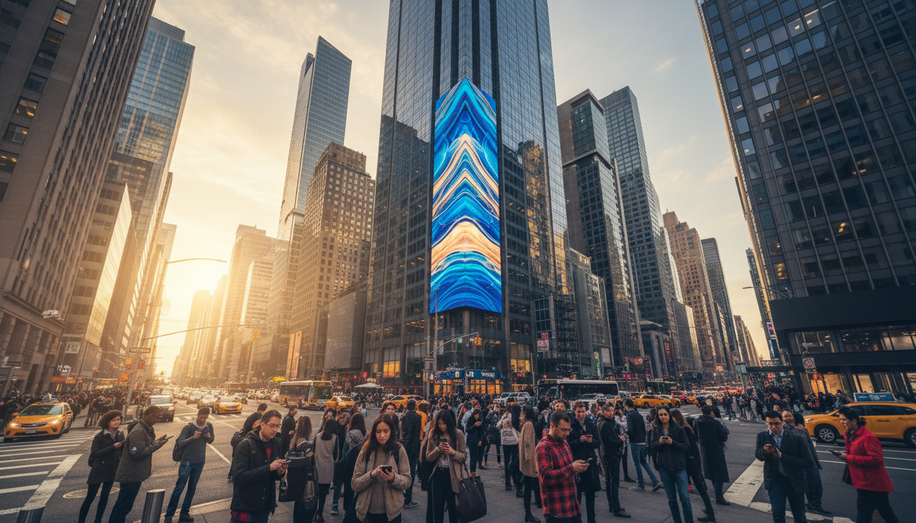

In the bustling corridors of urban life, a billboard catches a driver’s eye during rush hour, planting a seed of curiosity about a new electric vehicle. Hours later, as that same driver scrolls through their phone at a coffee shop, a tailored mobile ad for the car appears, complete with a test-drive discount. This seamless handoff from street to screen exemplifies the rising power of retargeting out-of-home (OOH) audiences with mobile geo-fencing, bridging physical advertising with digital precision to drive full-funnel marketing success.
Geo-fencing technology creates virtual boundaries around OOH placements like billboards, transit stops, or stadiums, using GPS coordinates to detect when mobile devices enter or exit these zones. Advertisers define these areas via mapping software, often encompassing a billboard’s “viewshed”—the precise radius where the ad is visible—or broader zones like shopping districts and highways. When a user’s smartphone crosses the boundary, the system captures an anonymous mobile advertising ID, building custom audience segments without compromising personal data. This allows marketers to reconnect with people who have physically encountered the OOH ad, transforming passive exposure into active engagement.
The process unfolds in real time. As commuters pass a highway billboard promoting a retail sale, geo-fencing identifies their devices and flags them for retargeting. Shortly afterward—ideally within hours to capitalize on fresh recall—personalized mobile ads serve up complementary content, such as a deeper product story or time-sensitive coupon. This timing is crucial: delivering follow-ups soon after OOH exposure boosts brand reinforcement through repetition across channels, enhancing retention and conversion likelihood. Programmatic platforms then integrate this data, enabling seamless ad serving on mobiles or even connected TV (CTV) for immersive extensions of the original message.
For e-commerce brands, this creates a unified omnichannel journey. A shopper spotting a fashion poster’s call-to-action near a mall enters the geo-fence, triggering a later mobile ad with personalized sizing recommendations or abandoned-cart reminders. Advanced platforms distinguish exposure types, like pedestrian foot traffic versus vehicular pass-bys, refining segments for higher relevance. Wi-Fi or RFID enhancements add precision in dense areas like transit hubs, while GPS handles expansive roadways. The result? Reduced ad waste, as budgets target proven interest rather than broad sprays, yielding superior engagement and ROI.
Evidence underscores the strategy’s potency. Geofencing paired with digital OOH (DOOH) can lift conversion rates by 20 percent through hyper-relevant, timely offers, while providing footfall insights for ongoing optimization. Combining DOOH with mobile extends campaign reach by up to 303 percent and engagement by 46 percent, according to industry benchmarks. Providers like OUTFRONT Mobile leverage viewshed mapping to retarget audiences who passed specific OOH assets, measuring downstream lifts in store visits and purchases. Reveal Mobile highlights how this reinforces messaging: a static billboard teaser evolves into dynamic mobile storytelling, fostering deeper connections.
Implementation demands strategic finesse. Start by aligning OOH creative with digital follow-ups—brief, bold visuals on the street yield to detailed narratives on screens. Layer in triggers like entry/exit events for push notifications or display ads, timed for peak recall. Privacy compliance is non-negotiable; anonymous IDs ensure GDPR and CCPA adherence while powering scalable segments. Marketers should test geo-fence radii—too tight risks missing impressions, too wide dilutes precision—and analyze cross-channel performance via attribution tools tracking impressions to actions.
Challenges persist, particularly around signal loss from app tracking transparency prompts, but evolving addressable geo-fencing targets households over devices for resilient reach. For DOOH, dynamic content syncs with geo-triggers, like event-based promotions at venues. Agencies like Elevate Media and The Remnant Agency emphasize custom segments from OOH proximities, turning billboards into top-of-funnel magnets that funnel traffic digitally.
This integrated approach redefines full-funnel efficacy. Top-funnel awareness from OOH sparks mid-funnel consideration via mobile reinforcement, culminating in bottom-funnel conversions like app downloads or sales. Brands in retail, automotive, and entertainment are pioneering it: imagine a stadium OOH ad for a concert, geo-fenced to serve ticket links to nearby fans’ phones. Hyper-local events or festivals amplify this, capturing intent at peak moments.
As location data proliferates, from fixed building mapping to neighborhood zoning, geo-fencing elevates OOH from isolated blasts to conversation starters. Marketers embracing it don’t just advertise—they orchestrate encounters, guiding consumers from street-side glance to screen-tapped purchase in a privacy-respecting, measurable loop. The era of siloed channels fades; in its place rises a fluid, data-driven ecosystem where every physical impression fuels digital triumph.