
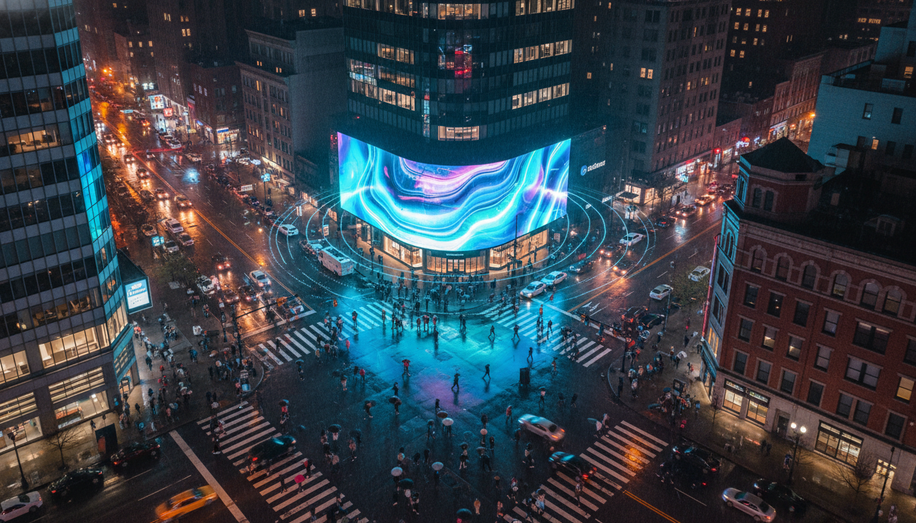

In the bustling streets of urban centers, where visual billboards have long dominated the out-of-home (OOH) landscape, a subtle revolution is unfolding through sound. Brands are increasingly layering audio elements onto their campaigns, transforming static displays into dynamic, multi-sensory encounters that capture attention in ways sight alone cannot. By harnessing localized soundscapes, directional audio, and interactive elements, advertisers are not just seen—they are heard, felt, and remembered.
The appeal of audio in OOH lies in its primal power to pierce through environmental noise. As pedestrians navigate city sidewalks or shoppers linger in retail spaces, sound stimulates emotions and moods directly, often ranking as the second most impactful sense after sight for grabbing attention. OOH audiences, already primed by their surroundings, prove unusually receptive; adding audio infuses ads with personality, elevating immersion. Programmatic audio OOH (AOOH), which merges real-time bidding technology with traditional outdoor formats, exemplifies this shift. It enables hyper-targeted delivery based on location, time of day, demographics, and even product availability, allowing brands to whisper personalized messages exactly when consumers are most engaged—whether at work, shopping, or commuting.
Localized soundscapes offer one of the most straightforward entry points. Simple speakers mounted near digital OOH panels broadcast custom music playlists, promotional jingles, or ambient effects tailored to the venue. In retail environments, this approach enhances the in-store experience: premium music paired with targeted ads creates an ambiance that encourages longer visits and higher spending—shoppers in physical stores already spend 31% more than online counterparts, a gap widened by immersive audio. Consider a coffee chain deploying upbeat, aroma-evoking tunes near a billboard in a busy plaza; the soundscape doesn’t just promote the brand but transports passersby to a cozy café vibe, boosting recall and impulse.
For greater precision, directional audio takes localization further, beaming sound to specific zones without disturbing the wider area. Technologies like spatial audio experiences, synced to a user’s location via apps or IoT devices, direct messages toward individuals approaching a display. This “one-to-one” intimacy rivals personal headphones: brands can offer exclusive content through jacks on panels or Bluetooth prompts, ensuring privacy while deepening engagement. In high-traffic areas like transit hubs, a fashion retailer might use directional beams to play a celebrity endorsement only for those within earshot of the poster, creating surprise and delight that static visuals can’t match.
Interactive sound elements push the boundaries into participatory territory, turning passive viewers into active participants. Digital touchscreens now integrate audio-visual loops where users trigger sound via calls-to-action—tap a button, and a jingle plays alongside a product demo. Voice-activated assistants on smart panels respond to queries with tailored audio responses, blending OOH with conversational AI. In programmatic setups, these interactions feed closed-loop attribution, tracking exposure to conversion in real-time. For instance, AOOH in shopping centers sways bottom-funnel decisions: 20% of shoppers alter purchases based on in-store audio, as entertaining playlists laced with brand messages influence choices at the point of sale.
Real-world deployments underscore the ROI. Platforms like Vibenomics deliver hyper-local audio via plug-and-play IoT players in stores, monetizing “private airwaves” while driving sales through non-skippable, location-specific ads. DAX enables dynamic spatial audio tied to outdoor spots, syncing with movement for seamless immersion. Even integrations with apps like Waze geo-fence billboards, piping radio-style ads to drivers at standstill, amplifying OOH’s reach. A study by MAGNA notes listeners are 35% more receptive to audio ads than visual ones, a metric AOOH exploits by attaching campaigns to beloved artists or promotions.
Yet success demands nuance. Audio must enhance, not overwhelm—respecting local regulations on volume and privacy. Programmatic tools mitigate risks with granular controls, but brands should prioritize relevance: a mismatched jingle repels, while contextually apt sound captivates. Emerging trends point to AI-orchestrated fusions, where machine learning curates soundscapes from weather data or foot traffic, further personalizing the multisensory assault.
Ultimately, audio elevates OOH from visual interruption to emotional connection. In an era of ad fatigue, where digital skips abound, sound’s unblockable presence—rooted in physical space—reclaims attention at critical moments. Brands embracing localized soundscapes, directional precision, and interactive triggers aren’t just advertising; they’re orchestrating experiences that linger in the mind long after the visual fades. As technology advances, the ears may well become OOH’s most potent weapon.