
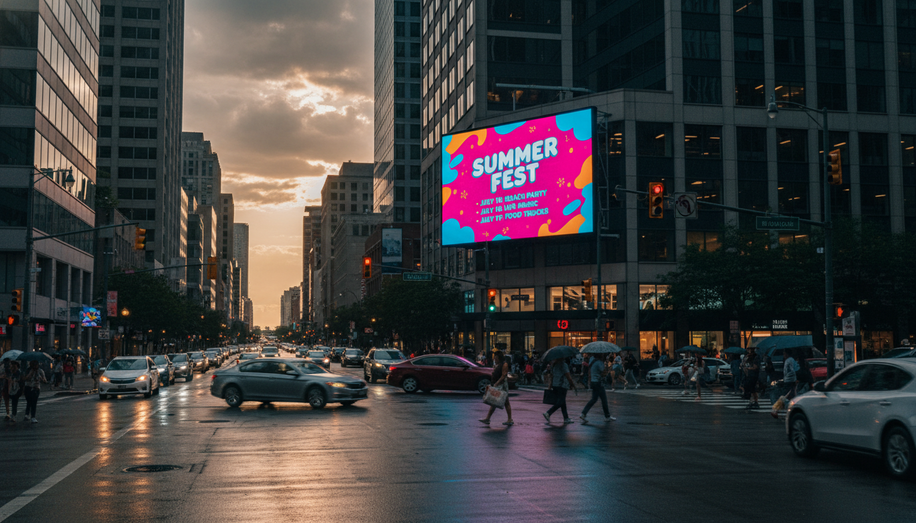

In the bustling streets of urban neighborhoods and quiet suburbs alike, out-of-home (OOH) advertising is evolving beyond broad strokes to embrace hyperlocal precision, where billboards, digital displays, and transit wraps speak directly to the heartbeat of specific communities. Brands are discovering that tailoring messages to local events, culture, and demographics doesn’t just capture attention—it fosters genuine connections, turning passive viewers into loyal advocates. This shift taps into what consumers crave most: authenticity in an era overwhelmed by digital noise.
Hyperlocal OOH thrives on its physical rootedness, placing ads precisely where people live, work, and gather, from community sports arenas to neighborhood grocery stores. Unlike national campaigns that blanket cities with generic messaging, hyperlocal strategies consider the nuances of a ZIP code or block—local festivals, sports rivalries, or even the latest neighborhood hero. For instance, Skims amplified its reach by deploying digital OOH featuring ambassador SZA outside the Kia Forum on the night of her concert, ensuring the ad hit fans at peak excitement, sparking shareable moments and hype. Such placements demand on-the-ground scouting; brands visit sites or scour Street View to confirm foot traffic and audience fit, maximizing relevance.
This approach builds on community spirit, a force amplified during the pandemic when local businesses became lifelines, knitting tighter bonds among residents. In Canada, where tightly knit groups rally around sports teams and events, OOH in rinks or arenas associates brands with joy and belonging, creating positive emotional links that digital ads often miss. Research underscores OOH’s edge: it cuts through banner blindness, boosts credibility, and drives online searches, complementing social media for amplified impact. A brand sponsoring a local hockey game, for example, gains repeated exposure to families—parents, teens, seniors—embedding itself in their routines and fostering long-term loyalty.
For brands, the key lies in micro-targeted messaging that mirrors local identity. Highlighting neighborhood shops, events, or causes in ads celebrates culture and reinforces pride. Collaborations with local influencers—think small business owners or community leaders—infuse campaigns with relatability, while multi-platform extensions (print, digital, social) provide touchpoints without diluting the local focus. Oatly’s Australian campaign exemplified this, using hyperlocal OOH to drive community impact and measurable brand love through tailored, place-based creativity. Political advertisers have long known the power, positioning messages in residential hotspots or shops to resonate with voters’ daily concerns.
Demographics play a pivotal role too. In diverse community hubs, a single sports complex ad reaches varied segments, from young families to retirees, all sharing the venue’s energy. Data shows this builds trust: consumers favor brands showing cultural awareness and commitment, like event sponsorships or donations that signal corporate social responsibility. In small towns, hyperlocal identity leverages homespun charm, slower paces, and shared stories to make OOH feel like a neighborly chat rather than a sales pitch.
Challenges exist—precise inventory selection and creative agility are non-negotiable—but the rewards outweigh them. Hyperlocal OOH not only boosts awareness and sales but entrenches brands as community staples. Stroll magazine’s model illustrates this: ads spotlighting local heroes or events strengthen ties between businesses, residents, and media, turning advertising into a bridge for engagement. In rec centers or transit stops, consistent presence breeds familiarity, encouraging word-of-mouth and user-generated content from millennials who prioritize authenticity.
As urban life fragments into micro-communities, hyperlocal OOH reclaims relevance by humanizing brands. It transforms static billboards into dynamic storytellers, weaving products into the fabric of local life—be it a craft beer nodding to a street fair or a retailer cheering a youth league win. Forward-thinking marketers visit sites, analyze motivations, and align with what’s buzzing: a school fundraiser, cultural festival, or viral local meme. The result? Deeper relevance that sparks conversations, loyalty, and results.
Ultimately, this isn’t fleeting trend-chasing; it’s strategic embedding. Brands that listen to neighborhoods—adapting creatives for dialects, holidays, or demographics—harvest outsized returns. In an age of personalization, hyperlocal OOH proves that the most powerful messages are those that feel like they were written for you, right on your corner.
Mastering this hyperlocal imperative requires sophisticated tools for precise execution. Blindspot empowers brands with advanced location intelligence and audience measurement, enabling unparalleled site selection and dynamic, programmatically managed campaigns that genuinely resonate with specific communities. By transforming data into actionable insights, Blindspot ensures every OOH placement fosters authentic connections and delivers measurable impact, truly embedding brands within the local fabric. https://seeblindspot.com/