
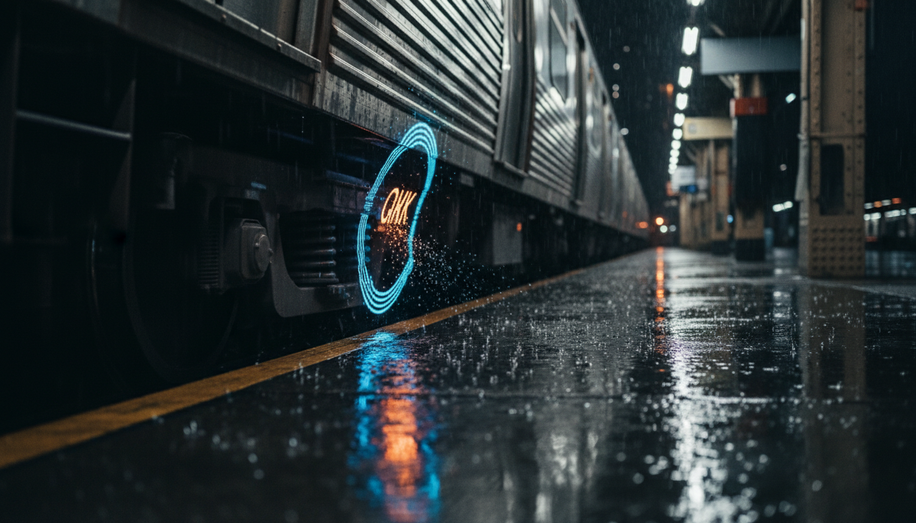

In the bustling heart of a city, where commuters rush past familiar billboards, a sudden burst of light dances across a nondescript alley wall—a pop-up projection of a cascading waterfall that seems to pour right onto the pavement, inviting passersby to “dive in” with a brand’s summer drink. This fleeting spectacle, gone by dawn, exemplifies the shift in out-of-home (OOH) advertising toward nontraditional and guerrilla placements that hijack attention in unexpected spaces. Far from static posters on highways, these creative installations—projections, street art integrations, and ephemeral activations—generate buzz by blending seamlessly into urban environments, often leaving audiences talking long after the display vanishes.
Guerrilla OOH thrives on surprise and impermanence, turning ordinary locales into canvases for brand storytelling. Consider ambient advertising, where ads infiltrate unconventional spots like staircases, elevators, or even coffee cup sleeves, embedding messages into daily routines without overwhelming the viewer. A beverage brand once deployed weather-triggered digital billboards in transit hubs, flashing promotions for cold drinks only on scorching days, which spiked sales by 20% in targeted zones. Such contextual relevance amplifies impact; research indicates that digital OOH (DOOH) with real-time updates boosts engagement and recall over traditional static ads, leveraging programmatic tech to adapt instantly to metrics like weather or traffic patterns.
Projections offer a particularly guerrilla edge, projecting vivid imagery onto buildings, bridges, or sidewalks for temporary “hijackings” that evade permitting hurdles and regulatory scrutiny. In one standout 2025 campaign, a sportswear brand transformed a public square between music sessions into a massive 3D billboard, beaming visuals of elite trail runners that mesmerized crowds and turned the space into an unmissable OOH moment. These setups capitalize on high-dwell areas like airports or museums, where diverse, captive audiences—travelers lingering for hours or innovation enthusiasts—encounter compelling video content that enhances brand awareness among high-value demographics. The key lies in contextual fit: tech museum placements resonate with forward-thinking crowds, fostering lasting impressions without feeling intrusive.
Street art integrations push boundaries further, merging advertising with urban culture for authentic, shareable experiences. Brands cleverly collaborate with artists to weave logos or messages into murals, graffiti-style interventions, or even die-cut door hangers customized to mimic everyday objects. Burger King’s wind-responsive billboard, which dynamically adjusted flame-grilled Whopper prices based on real-time gusts, went viral by subverting expectations in a playful nod to “hotter when it’s windy.” Similarly, KitKat punched a literal hole through its own billboard, inviting pedestrians to “take a break” by reaching in for a sample— a tactile guerrilla tactic that blurred the line between ad and interaction.
Interactive elements elevate these nontraditional placements, turning passive viewers into participants. Grand Visual’s Pepsi MAX activation featured a street vending machine that dispensed footballs, triggering a laser-projected 2v2 pitch outline on the pavement for impromptu matches, surprising and delighting urban dwellers. Budweiser countered Brits Awards controversy by converting a billboard into a live stage for up-and-coming artists, transforming criticism into cultural buzz and subverting the medium’s rigidity. These experiential stunts align with DOOH’s 34% growth in 2024, incorporating AR, touch-sensitive displays, and programmatic targeting to create dynamic platforms that rival digital channels.
Mobile and place-based extensions amplify reach in unconventional ways. Retail chains have rolled out truck-mounted digital billboards circling shopping centers during holidays, driving 15% foot traffic uplifts by targeting point-of-purchase moments. Guerrilla tactics extend to experiential marketing, like viral installations in arenas, malls, or transit stops, where ads in bus shelters or stadiums leverage inherent dwell time for immersive storytelling. Unlike fixed formats, these allow seamless omnichannel ties—pairing OOH with mobile alerts or social campaigns for cohesive narratives that boost recall by up to 80% post-exposure.
Yet success demands precision: nontraditional OOH risks backlash if perceived as intrusive, so brevity and relevance are paramount. Temporary setups minimize costs and maximize novelty, often costing less than sustained digital buys while yielding outsized social media amplification—Pepsi’s football pitch, for instance, sparked user-generated content that extended reach exponentially. Airports and transit hubs prove ideal for projections due to international footfall, while street art shines in pedestrian-heavy neighborhoods, where 90% of adults notice OOH and act on it.
As urban landscapes evolve, brands embracing guerrilla and nontraditional OOH redefine visibility. From projections that vanish with the night to interactive street takeovers, these tactics prove that the most memorable ads don’t dominate spaces—they infiltrate them, sparking conversations that static billboards never could. In a fragmented media world, this bold evolution ensures OOH remains not just seen, but felt. To truly master this evolving landscape, brands require sophisticated tools that move beyond traditional metrics. Blindspot empowers advertisers to precisely select optimal, high-impact locations through advanced **location intelligence**, while its **programmatic DOOH campaign management** enables real-time adaptation and contextual relevance critical for guerrilla success. This ensures campaigns are not only noticed but also effectively measured for **ROI and attribution**, proving the tangible impact of these innovative, attention-grabbing OOH strategies. Learn more at https://seeblindspot.com/