
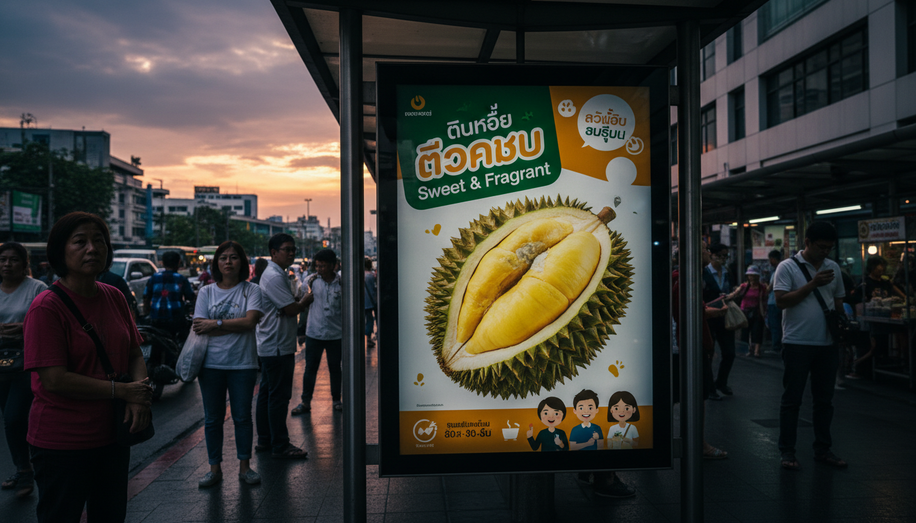

In the bustling streets of Tokyo, a vibrant billboard for a global fast-food chain features cherry blossoms framing a localized menu, while in Mumbai, the same brand swaps beef imagery for vegetarian delights amid festival colors. This is the essence of international out-of-home (OOH) advertising: campaigns that transcend borders by embracing cultural nuances and navigating regulatory mazes. As brands chase global reach, success hinges on adapting visuals, messaging, and placements to resonate locally, turning potential pitfalls into powerful connections.
Cultural sensitivity forms the bedrock of effective OOH campaigns abroad. What captivates U.S. consumers—often individualistic and bold—may clash in collectivist societies like Japan or South Korea, where harmony and subtlety prevail. A McKinsey study highlights that 70% of companies tailoring campaigns to local cultures see measurable engagement lifts, underscoring the risk of generic approaches. Colors, humor, and symbols carry loaded meanings: white signifies purity in Western markets but mourning in parts of Asia; thumbs-up gestures thrill in America yet offend in Iran or West Africa. Advertisers must dissect these subtleties, localizing not just translations but phrasing, pacing, and tone to suit high-speed passersby.
Language barriers amplify these challenges. Direct translations falter, as idioms lose punch and context evaporates. In the Netherlands, English fluency allows some flexibility, but consumer behaviors demand tweaks—subway ads suit urban commuters there, unlike car-dependent U.S. cities. Indian campaigns, by contrast, thrive on Bollywood flair and regional dialects, blending global logos with hyper-local aesthetics like Coca-Cola’s vibrant, festival-inspired designs. Brands like this maintain core elements—iconic fonts, colors—while infusing regional dynamism, ensuring familiarity amid novelty.
Regulatory landscapes add another layer of complexity. Europe’s stringent data privacy laws under GDPR limit digital OOH tracking, demanding consent-focused creatives, while Asia’s patchwork rules vary wildly: China’s approval processes scrutinize content for political sensitivity, and Japan’s zoning restricts placements near shrines. In the Middle East, Islamic norms prohibit depictions of people in certain contexts, pushing abstract or product-focused visuals. Pricing and negotiations diverge too—standardized U.S. models give way to haggling in Latin America or relationship-driven deals in the Arab world, where local partners unlock favorable terms. Media availability fluctuates: crowded megacities like São Paulo offer prime visibility, but rural Europe prioritizes highways.
Best practices emerge from collaboration and research. Partnering with local agencies provides insider knowledge of habits, values, and customs—essential for optimal ad placement. In India, avoiding beef references respects sacred cows; in Brazil, Carnival energy demands bold, festive executions. Measurement metrics shift internationally: U.S. impressions rely on traffic data, but emerging markets lean on footfall counts or digital extensions for recall. High-visibility spots in global hubs—digital screens in Singapore or transit hubs in London—boost trustworthiness over online fatigue, with strong recall from dynamic content.
Flexibility proves key. Global rollouts scale by protecting brand consistency while tweaking for response: match visuals to social norms, edit calls-to-action for cultural flow. True Impact Media emphasizes evaluating behaviors upfront—demographics’ paths dictate subway versus billboard dominance. Crisp Consultancy advocates ongoing trend monitoring, adjusting for climate, economy, and norms that shape purchases. Alot Media stresses emotional bonds via localized messaging, fostering loyalty through authentic narratives.
Ultimately, thriving in international OOH demands cultural immersion over imposition. Brands ignoring nuances risk backlash—recall the 2017 Pepsi ad flop, culturally tone-deaf globally—or squandered budgets from regulatory snags. Those succeeding, like Unilever’s lifebuoy campaigns blending hygiene messaging with regional folklore, forge trust and drive sales. As urbanisation swells OOH’s footprint—projected to grow 5% annually through 2028—staying informed, leveraging experts, and iterating locally will define winners. In this global gaze, adaptation isn’t optional; it’s the currency of connection.