
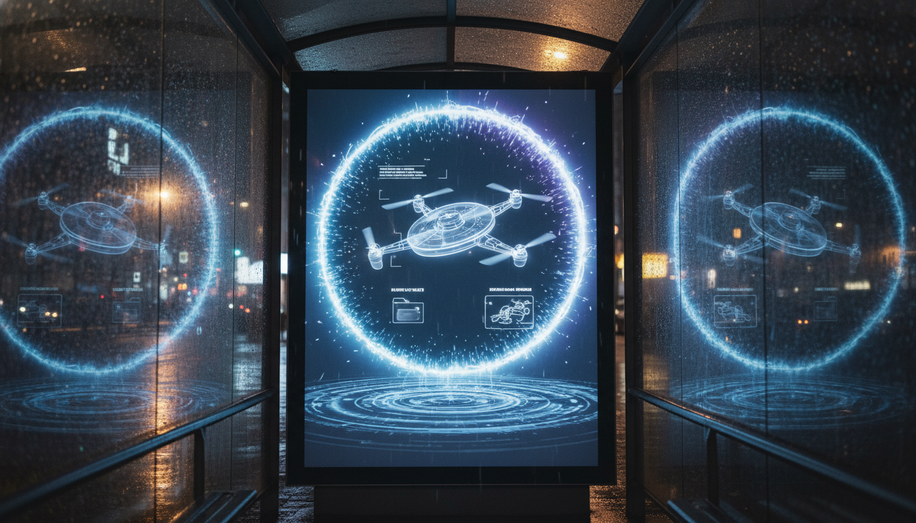

In the bustling streets of modern cities, where static billboards once competed for fleeting glances, augmented reality is rewriting the rules of out-of-home advertising. By overlaying digital elements onto physical spaces via smartphones, AR turns passive posters into portals of interaction, allowing brands to pull consumers into immersive worlds that blend the tangible with the virtual. This fusion not only captures attention in an era of digital distraction but also fosters deeper engagement, as viewers scan QR codes to unleash 3D animations, games, and personalized content right from a bus shelter or mural.
The mechanics are deceptively simple yet profoundly transformative. A pedestrian points their phone at an OOH ad, often triggered by a QR code, and computer vision technology recognizes the image, popping out interactive 3D models or animations that respond to the real environment. Traditional billboards, long criticized for their static nature, evolve into dynamic canvases where consumers can manipulate virtual objects like video game elements, extending dwell time from seconds to minutes. Transit ads in subway stations or on bus shelters take this further, offering commuters games, videos, or exclusive deals while they wait, turning downtime into brand moments.
Brands are quick to capitalize on these possibilities. Burger King’s “Burn that Ad” campaign in Brazil exemplifies the cheeky innovation: users downloaded the app, aimed at competitors’ billboards, and virtually set them ablaze, revealing a Whopper coupon and directions to the nearest outlet. In another striking example, Burger King deployed AR on digital displays, where scanning unleashed plumes of smoke guiding hungry customers to restaurants. Vodafone has pushed boundaries with AR murals and billboards that surprise passersby with immersive visuals, dominating public spaces and driving real-time engagement through dynamic storytelling. Meanwhile, Kinder created an app-less African safari portal from in-store OOH ads, where 3D animals emerged with fun facts, delighting families and boosting product interaction.
These campaigns highlight AR’s versatility across formats, from towering billboards to street-level murals. Ocean Outdoor’s mobile AR solution requires no app, simply bridging physical locations with digital overlays for seamless immersion. The technology expands creative real estate: a flat poster gains movement, environmental responsiveness, and even directional cues to nearby stores, making ads more relevant and actionable. In urban settings, AR ads can react to surroundings—perhaps animating smoke that flows with wind patterns or highlighting a shop in the distance—heightening relevance for location-based audiences.
The business case is compelling, backed by metrics that underscore AR’s edge over conventional OOH. Engagement surges as passive viewers become active participants; studies show consumers linger up to 75 seconds with AR ads, a 20% uplift in interaction compared to static formats. This dwell time translates to stronger brand recall and conversions, with immersive experiences proving more memorable than traditional visuals. A 2023 ARtillery Intelligence report projected the AR advertising market hitting $8 billion by 2025, fueled by smartphone ubiquity and tech advancements that make deployment accessible. Personalization seals the deal: AR tailors content to individual users, fostering emotional connections in a way billboards never could.
Yet AR’s rise signals more than novelty—it’s a strategic evolution for OOH in a hybrid world. As digital-savvy audiences crave resonance, AR bridges offline staticity with online interactivity, amplifying shareability on social media where users broadcast their experiences. Analytics improve too, tracking scans and interactions for richer data on audience behavior. Challenges remain, such as ensuring app-less access and broad smartphone compatibility, but platforms like BrandXR and InnoMate are streamlining this with web-based solutions.
Looking ahead, AR positions OOH not as a relic but as a vanguard medium. By merging physical presence with virtual depth, brands craft surprise-and-delight moments that linger in memory, from playful rival-torching stunts to safari adventures. As adoption grows—evident in Vodafone’s murals and global campaigns—OOH advertisers gain tools to reinvent spaces, turning cityscapes into canvases of endless possibility. In this blended reality, the line between ad and experience blurs, ensuring brands don’t just interrupt the urban flow but become part of it.