
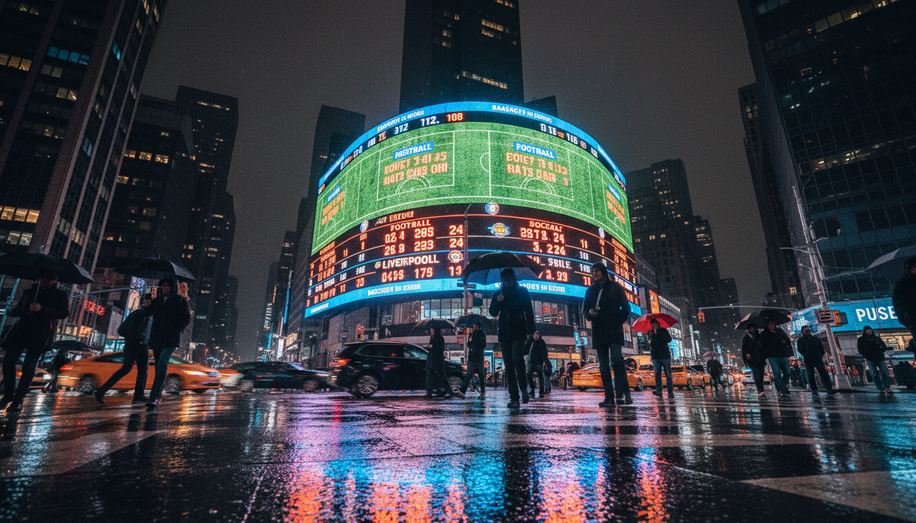

The outdoor advertising landscape has undergone a fundamental transformation. Digital billboards are no longer static displays frozen in time—they’ve become dynamic canvases that shift and adapt in real-time, responding to the world around them with unprecedented sophistication. This evolution has positioned real-time data feeds as the cornerstone of modern out-of-home advertising strategy, enabling brands to deliver messages that feel instantly relevant and contextually precise.
The mechanics of this technological shift are straightforward but powerful. Digital signage systems now integrate with external data sources—weather services, financial platforms, sports networks, social media streams, and traffic sensors—pulling live information directly into ad templates. When a system detects rain in a specific location, retail advertisements automatically adjust to showcase umbrellas or raincoats. A sudden market surge triggers financial services firms to display updated investment opportunities. As a local sports team scores, nearby venues instantly broadcast related promotions. This automation eliminates the lag between real-world events and advertising response, compressing what once took hours into seconds.
Weather represents one of the most intuitive applications of this capability. Brands like quick-service restaurants leverage weather data to promote hot beverages during cold snaps or refresh drinks when temperatures spike. Seasonal retailers synchronize inventory highlights with meteorological conditions across different regions simultaneously, maximizing relevance without manual intervention. The sophistication doesn’t stop at simple temperature triggers—wind speeds, humidity levels, and precipitation forecasts all inform creative variations designed by sophisticated algorithms.
Sports data feeds have proven equally transformative, particularly for broadcasters, sportsbooks, and consumer brands seeking authentic connection with passionate fan bases. A digital billboard near a stadium can display live scores as they happen, while advertisements for sports nutrition products or team merchandise automatically activate during peak engagement moments. This contextual alignment creates a sense of immediacy and cultural relevance that traditional outdoor advertising simply cannot match.
Financial data integration has opened entirely new possibilities for services firms and investment platforms. Stock market fluctuations, cryptocurrency movements, and economic indicators now trigger dynamic creative adjustments that keep messaging aligned with market conditions. During bullish periods, messaging emphasizes growth opportunities. During volatility, stability-focused messaging takes prominence. This responsiveness demonstrates attentiveness to customer circumstances while maintaining brand presence throughout market cycles.
Audience analytics layer another dimension onto these capabilities. Modern DOOH networks now capture demographic data, dwell time metrics, and engagement patterns, enabling advertisers to understand not just what messages are displayed, but who’s watching and for how long. Traffic flow data allows roadside digital billboards to optimize messaging based on vehicle patterns and pedestrian movement. Retail sales trends and product availability information allow inventory-driven advertising that reflects real supply situations, preventing the marketing disconnect of promoting out-of-stock items.
The efficiency gains extend beyond mere relevance. Manual content management for large-scale billboard networks traditionally consumed substantial resources, requiring teams to monitor conditions and update creative across dozens or hundreds of locations. Automated data feed integration eliminates this bottleneck entirely. Systems now refresh content based on predefined rules, learning from performance data to optimize timing and creative variations. This automation particularly benefits brands operating extensive networks across multiple markets and geographies.
Yet automation doesn’t mean depersonalization. The convergence of real-time data with advanced targeting creates paradoxically intimate experiences within public spaces. A commuter passing the same billboard daily might see genuinely different messages based on weather, time of day, local events, and aggregated behavioral patterns. This personalization at scale—delivering contextually relevant creative to thousands of viewers without individual data collection—represents the emerging standard in sophisticated DOOH campaigns.
As we advance deeper into 2026, the competitive advantages of real-time data integration continue expanding. Brands that master these capabilities capture attention moments others miss entirely. They respond to emerging opportunities with agility competitors cannot match. They demonstrate responsiveness to their audiences’ actual circumstances rather than assumed ones. In an advertising ecosystem increasingly crowded and skeptical, this precision and relevance have become not merely advantageous but essential.